
Best Time to Replace a Roof in Florida
Planning a roof replacement in Florida? Learn the best season to replace your roof, avoid costly delays, and get the most from your investment.

Adrian Coastal Roofing

Florida homeowners know the weather doesn't play by the rules anywhere else in the country. What works in Ohio or Texas doesn't apply here and that's especially true when it comes to scheduling a roof replacement.
Time it wrong and you're looking at installation delays, material issues, and a project that drags through hurricane season. Time it right and you get faster turnaround, better pricing windows, and a roof built under the best possible conditions.
In this guide, you'll learn exactly when to schedule a roof replacement in Florida, what seasonal factors affect the process, how timing differs for residential and commercial properties, and the signs that mean you shouldn't wait for the "perfect" season at all.
The Best Seasons for Roofing Replacement in Florida
Florida doesn't have four seasons in the traditional sense, but it does have two that matter enormously for roofing: dry season (November through April) and wet season (May through October). Understanding this cycle is the foundation of smart roofing replacement planning.
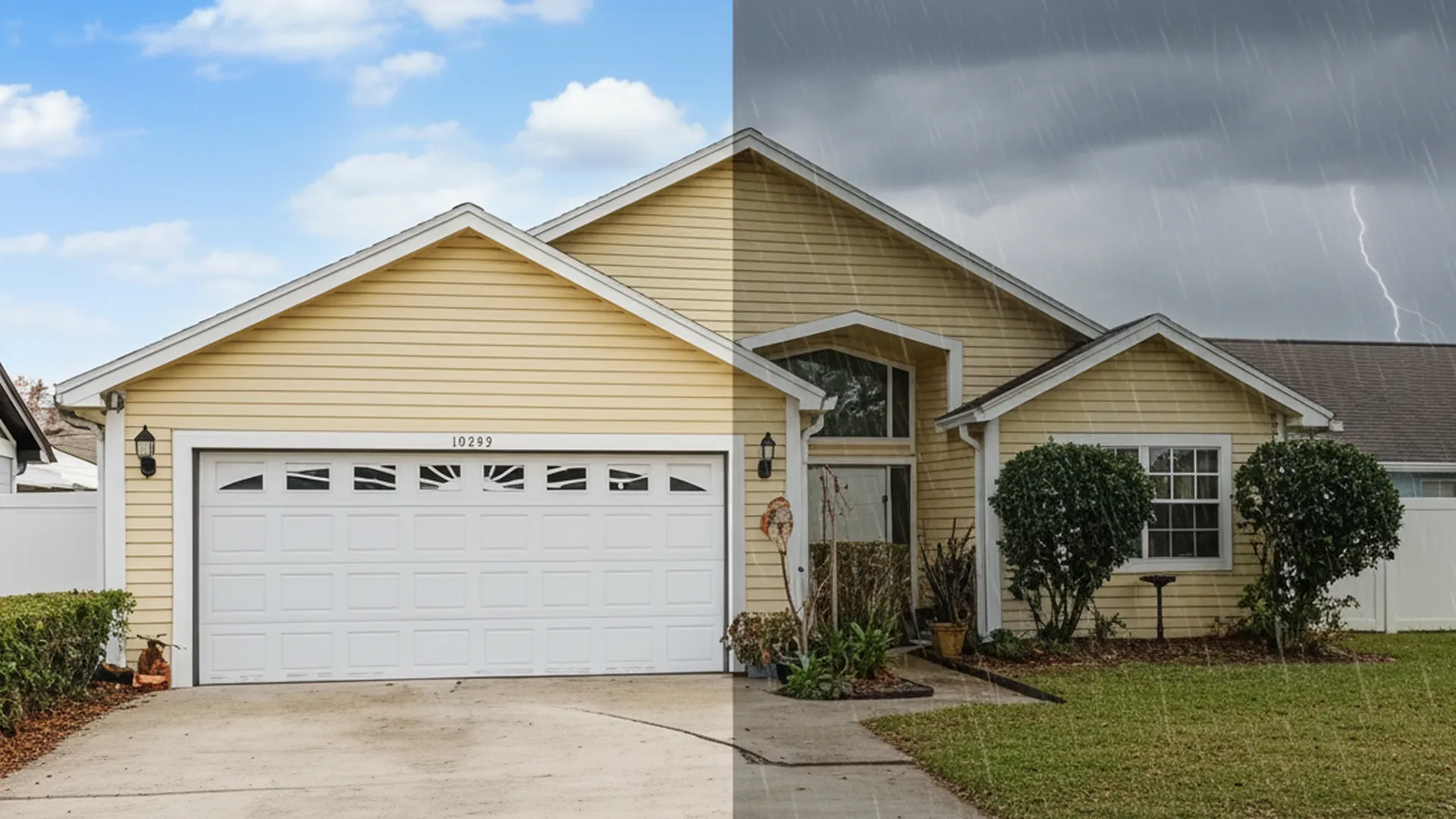
Dry season (November – April): the optimal window.
This is the prime time for roofing replacement in Florida. Rainfall is minimal, temperatures are moderate, typically in the 60s and 70s, and humidity drops to levels that allow adhesives, sealants, and underlayment membranes to cure properly. Crews can work full days without weather interruptions, which keeps your project on schedule and reduces the risk of moisture being trapped beneath new materials.
November through February is the sweet spot within the dry season. Contractors have more scheduling availability coming off the post-hurricane rush, material lead times are typically shorter, and homeowners aren't competing with the high-demand spring surge that begins in March as snowbirds prepare properties before heading north.
What to avoid: May through September.
Florida's wet season doesn't mean it rains all day every day, but afternoon thunderstorms are daily events across most of the Gulf Coast and interior. These storms are not just an inconvenience. Roofing replacement involves exposing your home's deck to the open sky during tear-off. A sudden storm during that window can introduce moisture into your structure before the new underlayment is installed, creating the conditions for mold growth and wood rot from day one.
Experienced contractors manage wet-season risk by working in smaller sections and monitoring radar closely, but the exposure window is real. If your replacement can wait, dry season scheduling eliminates that risk entirely.
March and April: high demand, plan ahead.
The late dry season brings ideal weather but also the highest demand. Homeowners who are delayed through winter suddenly schedule all at once, and contractor backlogs can stretch four to six weeks. If you want a spring installation, contact roofing companies in January to get on the schedule before the rush.
Pro tip from Coastal Roofing Group: Insurance-driven replacements after storm season (typically October–November) create a second demand surge. If your home sustained hurricane damage, the sooner you file and schedule, the better your position in the contractor queue.
Commercial Roof Replacement: Why Timing Is Even More Critical
For businesses and property managers, commercial roof replacement involves layers of planning that residential projects don't require and the stakes of getting the timing wrong are higher.
Commercial roof replacement projects are typically larger in scope, involve more complex drainage and HVAC integration, and require coordination with building occupants or tenants. A retail center, medical office, or warehouse cannot simply close for a week while the roof is replaced. This makes scheduling during Florida's dry season not just a preference but a strategic necessity for commercial roof replacement.
Key timing considerations for commercial roof replacement:
Flat and low-slope systems need dry conditions most. The most common commercial roof replacement in Florida involves TPO, EPDM, or modified bitumen systems, all of which require heat welding, adhesive bonding, or torching during installation. High humidity and rain during these processes affect adhesion quality and membrane integrity. Dry season installation means cleaner seams, better adhesion, and longer-lasting results.
Business continuity planning. Scheduling commercial roof replacement during lower-traffic periods, post-holiday for retail, slower quarters for office buildings, reduces disruption to operations. For multi-section buildings, phased commercial roof replacement allows one area to remain operational while another is under construction.
Insurance and compliance timelines. Many commercial property insurance policies require documented roof condition assessments and timely replacement of aging systems to maintain coverage. Commercial roof replacement that is deferred beyond a policy-mandated timeline can result in coverage gaps. Dry season scheduling gives you the weather window to complete the project without delays that could affect compliance deadlines.
Lead times for commercial materials. Large-format commercial roofing materials, wide rolls of membrane, custom metal coping, specialty drainage components, often have longer lead times than residential materials. Ordering in late summer for a fall or winter commercial roof replacement installation puts you ahead of the demand curve.
Coastal Roofing Group manages commercial roof replacement projects across Sarasota County, Charlotte County, and the surrounding Gulf Coast region. We coordinate directly with property managers and business owners to minimize operational disruption and ensure projects are completed within your scheduling and insurance requirements.
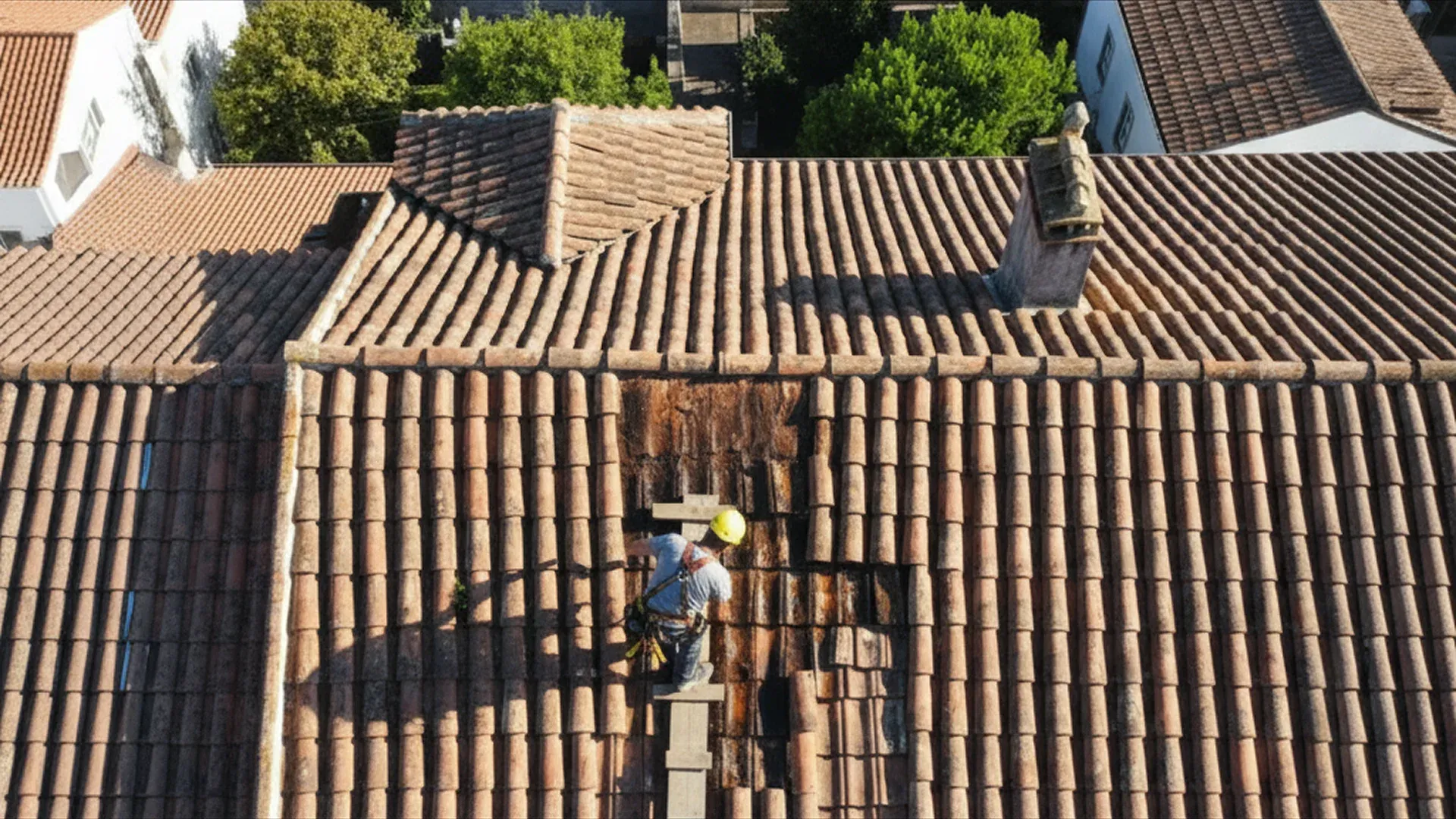
Signs You Shouldn't Wait for the "Perfect" Season
Dry season scheduling is ideal, but some roofs can't wait until November. Knowing when to act immediately regardless of the calendar is just as important as knowing the best time to plan ahead.
Replace your roof now — don't wait — if any of these apply:
- Active leaks that are recurring or worsening. A single isolated leak after a major storm may be patchable. Multiple leak points, leaks that return after repair, or leaks spreading to new areas signal systemic failure. Roof replacement is now a safety and damage-control issue, not a scheduling preference.
- Visible sagging or soft spots on the deck. If your roof deck has softened from moisture intrusion, structural integrity is compromised. This cannot wait for the dry season.
- Your roof is 20+ years old and missing shingles. Florida's UV exposure and heat dramatically accelerate shingle degradation. A roof at or past its lifespan heading into hurricane season is a liability, not a savings opportunity.
- Your insurer has issued a replacement notice. Insurance companies operating in Florida increasingly inspect and require proof of roof age and condition. A non-renewal or coverage reduction notice tied to your roof means roof replacement is now a financial urgency, not an aesthetic one.
- Post-hurricane structural damage. If your home sustained significant wind or impact damage, the question isn't when to replace, it's how fast you can get a licensed crew on site.
In these situations, Coastal Roofing Group can assess your roof quickly and begin the replacement process as conditions allow, managing weather exposure with professional protocols to protect your home during the project.
Frequently Asked Questions About Roof Replacement in Florida
What is the best month to replace a roof in Florida?
November through February is the optimal period for roof replacement in Florida. Dry conditions, moderate temperatures, and lower contractor demand during the early dry season create the ideal combination of installation quality, scheduling availability, and project efficiency. March and April are also good but come with higher demand, book early.
How long does a roof replacement take in Florida?
Most residential roof replacement projects in Florida are completed in one to three days for standard asphalt shingle systems. Tile, metal, and flat roofing systems take longer, typically three to seven days depending on home size and complexity. Commercial roof replacement timelines vary widely based on square footage, system type, and project phasing.
Does Florida weather affect roofing materials differently than other states?
Yes, significantly. Florida's combination of UV intensity, humidity, heat cycling, and hurricane-force wind exposure degrades roofing materials faster than most other climates. Impact-resistant shingles, metal roofing systems, and Florida-code-compliant underlayment are specifically engineered for these conditions. Your roof replacement should use materials rated for Florida's wind zones, a licensed contractor will specify this as part of the project scope.
Will my homeowners insurance cover a full roof replacement?
It depends on the cause of damage and your roof's age. Insurance typically covers sudden storm damage but may apply depreciation to older roofs or exclude normal wear and tear. Many Florida insurers now require roofs to be replaced at a certain age to maintain full coverage. A documented roof replacement by a licensed contractor, with proper permits pulled, supports your claim and maintains your policy in good standing.
How do I get on a contractor's schedule before the busy season?
Contact roofing contractors in October or November for dry season scheduling. Request a roof inspection, get your estimate, and confirm your slot on the schedule before January when demand increases. For commercial roof replacement, lead times are longer, reaching out in late summer for a winter project is common practice among experienced property managers.
Conclusion: Smart Timing Is Part of a Smart Roof Replacement
Florida is unforgiving when it comes to roofing. The heat, the humidity, and the storms mean your roof works harder than it would almost anywhere else in the country and it needs to be replaced right, with the right materials, at the right time.
The best window for roof replacement in Florida is dry season, especially November through February. For commercial roof replacement, that timing discipline is even more important given the complexity, material lead times, and business continuity requirements involved. And for homeowners with urgent damage, the right time for roof replacement is simply as soon as possible, before the next storm makes a bad situation worse.
Coastal Roofing Group serves homeowners and commercial property owners across Sarasota, Venice, Englewood, Port Charlotte, and the surrounding Gulf Coast. Our licensed crews handle residential and commercial roof replacement with materials rated for Florida's wind zones and building codes.
📞 Contact Coastal Roofing Group today to schedule your inspection and reserve your spot on our installation calendar. Don't wait until the rainy season makes the decision for you.
About Adrian Coastal Roofing
Adrian is the CEO of Coastal Roofing, a company specializing in roof installation in Florida, recognized for its quality, reliability, and excellence in residential and commercial projects. With years of experience in the construction industry and Florida roofing, Adrian has built his reputation by delivering durable solutions that withstand the state’s extreme weather. Under his leadership, Coastal Roofing has become a leader in roof installation in Florida, offering modern systems such as TPO, PVC, metal roofing, and other efficient solutions to reduce costs and extend the lifespan of roofs.


