
How to Maintain a Roof in Florida's Harsh Climate
Learn how to maintain a roof in adverse weather conditions in Florida. Expert tips from Coastal Roofing Group to protect your home year-round.

Adrian Coastal Roofing

Florida homeowners don't get a break from the elements. Between hurricane season, relentless UV radiation, and humidity levels that rival a sauna, your roof takes a beating every single day. The question isn't whether your roof will face harsh conditions — it's whether it will be ready when they arrive.
Understanding how to maintain a roof in adverse weather conditions is the most effective way to protect your home and avoid the kind of emergency repairs that cost thousands of dollars. In this guide, the Coastal Roofing Group team walks you through everything you need to know to keep your roof strong, season after season.
Why Florida's Climate Is Exceptionally Harsh on Roofs
Most states deal with one or two demanding weather patterns. Florida deals with all of them at once:
UV Radiation hammers roofs nearly year-round. Over time, prolonged sun exposure causes asphalt shingles to dry out, become brittle, and develop cracks. Metal flashing can rust. Nails can deteriorate and loosen. All of this happens before a single storm rolls in.
Humidity is the quietest threat. High moisture levels slowly wear down roofing materials — including shingles and tiles — making them more vulnerable to wind and heavy rain. Moisture trapped between the roof deck and the underlayment leads to rot, mold growth, and structural compromise that is expensive to reverse.
Hurricane Season runs from June through November, bringing strong winds, flying debris, and intense rainfall that can strip shingles, destroy flashing, and cause catastrophic structural failures. A roof that hasn't been properly maintained is far more likely to fail under these conditions.
Heavy Rainfall compounds everything. Even a small gap in your roofing system — a loose shingle, a cracked piece of flashing, or a clogged gutter — can allow water intrusion that multiplies quickly once it reaches insulation, drywall, and framing.
1. Schedule Professional Inspections Twice a Year
The single most important step in any Florida roof maintenance plan is regular professional inspection. Trained eyes catch what homeowners miss: hairline cracks in flashing, early signs of algae growth, soft spots in the decking, and fasteners that have started to back out.
Coastal Roofing Group recommends scheduling inspections in the spring (before hurricane season) and in the fall (after storm season ends). If your roof took a direct hit from a severe storm, schedule an emergency inspection immediately — don't wait. Insurance claims become harder to process the longer you delay, and storm damage spreads quickly when left untreated.
2. Keep Gutters and Drainage Systems Clean
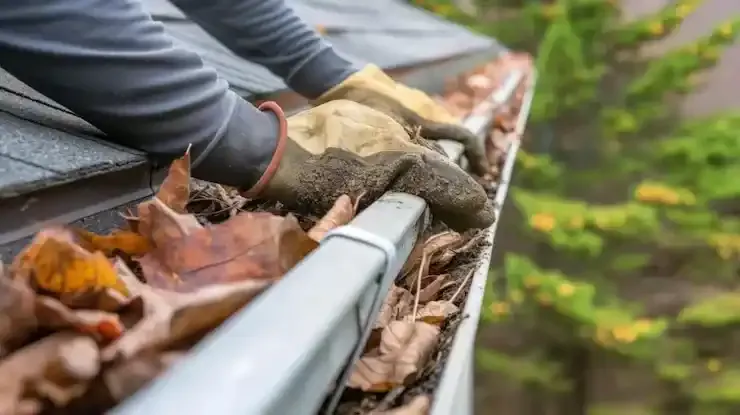
Gutters are your roof's first line of defense against water damage. Clogged gutters push water back under shingles, overflow onto fascia boards, and pool around the foundation. In Florida, that risk is amplified by the sheer volume of rain the state receives during storm season.
Clean your gutters at least twice a year — and after every significant storm. If you have a flat roof, make sure your interior drains and scuppers are also clear of debris. Seamless gutters, like those installed by Coastal Roofing Group, reduce clogging and minimize the joints where leaks typically start.
3. Trim Trees and Overhanging Branches
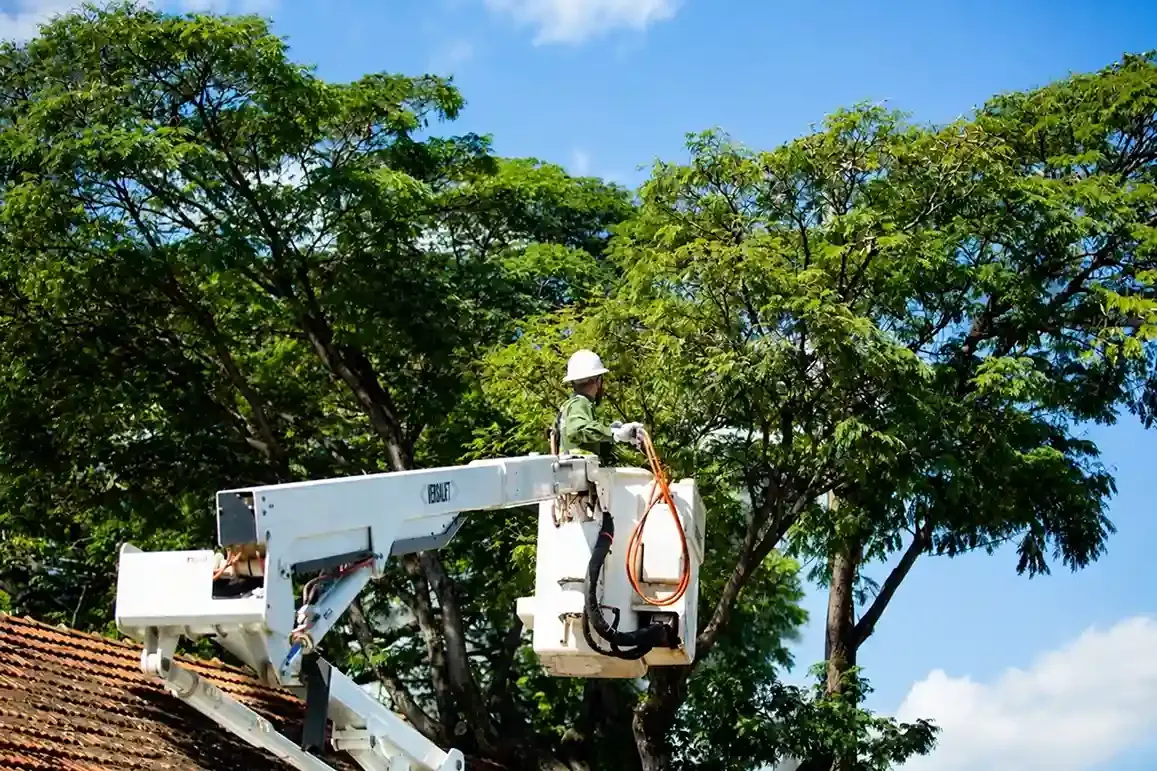
On calm days, tree branches hanging over your roof seem harmless. During a storm, they become battering rams. Falling limbs can puncture shingles, crack tiles, and damage the underlying structure.
Trim branches that extend over the roofline and remove dead or weakened trees near your home before hurricane season begins. This single step significantly reduces storm-related roof damage and protects your property from debris impact during high winds.
4. Inspect and Reinforce Roof Flashing
Roof flashing — the thin strips of metal that seal transitions around chimneys, vents, skylights, and roof edges — is among the most vulnerable components on any roof. Florida's combination of heat, humidity, and sun exposure accelerates flashing deterioration, causing it to crack, lift, or rust.
During routine maintenance, check all flashing points for gaps, rust, or separation. Before hurricane season, reinforce any flashing showing signs of wear. When installing a new roof, always use a licensed contractor who insists on quality materials and proven techniques — improperly installed flashing is one of the leading causes of roof leaks in Florida.
5. Treat Algae, Moss, and Debris Promptly
Florida's hot, humid climate creates ideal conditions for algae, moss, and lichen growth on roof surfaces. These organisms trap moisture against the roofing material, accelerating deterioration and degradation — and they don't look great either.
Clean your roof surface regularly, but avoid high-pressure washing, which can strip granules from asphalt shingles and cause more harm than good. A gentle low-pressure rinse with an appropriate cleaning solution is far safer. Algae-resistant shingle options, available from brands like GAF, CertainTeed, and Owens Corning — all used by Coastal Roofing Group — can also help prevent regrowth.
6. Ensure Proper Attic Ventilation
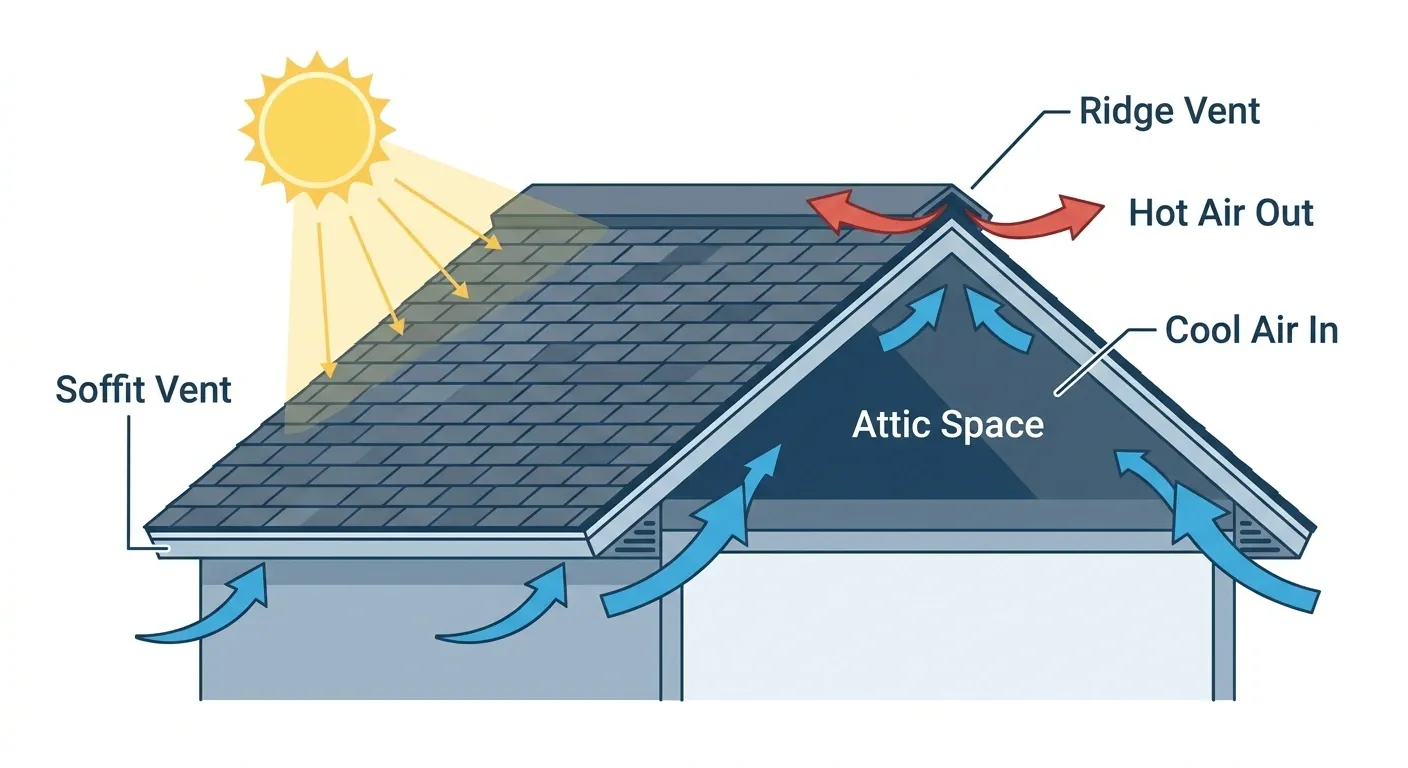
Attic ventilation is often overlooked in roofing maintenance discussions, but it's critical in Florida's heat. Without adequate airflow, attic temperatures can exceed 150°F, causing roofing materials to degrade from the inside out. Poor ventilation also traps moisture, promoting mold growth that can compromise air quality and your home's structural integrity.
Regularly inspect intake and exhaust vents to make sure they're functioning and unobstructed. If you notice signs of inadequate ventilation — moisture stains, mold spots, or shingles curling at the edges — contact a roofing professional before the problem worsens.
7. Prepare Specifically for Hurricane Season
Hurricane-proofing your roof goes beyond hoping for the best. Before storm season begins each year, consider the following:
- Install hurricane straps or clips to anchor the roof structure to the wall framing, dramatically increasing wind resistance
- Secure loose shingles with roofing cement or nails before a storm arrives — loose material becomes a projectile in high winds
- Cover skylights with protective caps or tarps if a severe storm is approaching
- Apply reflective or elastomeric coatings to flat or low-slope roofs to improve both UV and water resistance
- Review your homeowner's insurance policy and understand your storm damage coverage before you ever need to file a claim
Coastal Roofing Group performs emergency roof inspections after major storms throughout Hillsborough, Pinellas, Manatee, Sarasota, Polk, and surrounding counties. If your roof has been damaged, the sooner you get an inspection and documentation in place, the smoother your insurance claim process will be.
8. Choose the Right Roofing Materials for Florida's Climate
Not all roofing systems are created equal for Florida conditions. The material you choose has a direct impact on how much maintenance your roof requires and how long it will last under Central Florida's climate demands.
Metal Roofing is one of the most durable options available. It resists UV damage, sheds water efficiently, and can withstand hurricane-force winds when properly installed. Metal roofs typically last 40 to 70 years with minimal maintenance.
Concrete and Clay Tiles are a popular choice throughout Central and South Florida. Tiles are dense, fire-resistant, and highly wind-resistant. They can last more than 50 years with proper care and are naturally energy-efficient due to their ventilated design.
Asphalt Shingles remain the most widely used option due to affordability and versatility. For Florida, choose impact-resistant shingles with a UV rating and a solid manufacturer's warranty. Brands like GAF, CertainTeed, TAMKO, and Owens Corning offer shingle lines specifically engineered for high-humidity, high-UV climates.
Frequently Asked Questions
How often should I have my roof inspected in Florida?
Twice a year is the standard recommendation — once in the spring before hurricane season, and once in the fall after it ends. However, you should also schedule an inspection immediately after any severe storm, fallen tree, or significant hail event. Early detection prevents small issues from turning into costly repairs.
What are the signs that my Florida roof needs immediate attention?
Watch for water stains on ceilings or walls, missing or curling shingles, dark streaks on the roof surface (algae or mold), visible sagging or soft spots, and granule buildup in your gutters. Any of these signs warrants a professional inspection without delay.
Does homeowner's insurance cover roof repairs from storm damage in Florida?
It depends on your policy, but most standard homeowner's insurance policies in Florida cover wind and storm damage. The key is to document the damage quickly and file your claim promptly — delays can complicate or reduce your payout. Coastal Roofing Group works directly with homeowners on storm damage claims and can help guide you through the entire process, from inspection to repair.
What is the best roofing material for hurricane-prone areas like Tampa Bay?
Metal roofing and concrete tile consistently perform best in high-wind environments. For homeowners who prefer asphalt shingles, impact-resistant options rated for wind speeds above 130 mph offer significantly better storm protection than standard shingles. Your roofing contractor should help you select materials that meet Florida Building Code requirements for your specific area.
Conclusion
Knowing how to maintain a roof in adverse weather conditions isn't just about fixing things when they break — it's about building a proactive routine that protects your home before the next storm, UV season, or humidity spike does its damage.
Inspect twice a year. Keep gutters clean. Trim trees. Reinforce flashing. And when something doesn't look right, don't wait.
The Coastal Roofing Group team has been protecting Central Florida roofs for over two decades — with our own licensed crews, written warranties on every project, and a commitment to showing up when it matters and doing the job right. Whether you need a professional inspection, storm damage assessment, or a full roof replacement, we're ready to help.
📞 Call (813) 497-4428 or request a free estimate at coastalroofinggrp.com — no runaround, no surprises, just results.
Coastal Roofing Group is a licensed, BBB A+-rated roofing contractor serving Hillsborough, Pinellas, Pasco, Polk, Manatee, Sarasota, Hernando, Hardee, and Charlotte counties throughout Central Florida.
About Adrian Coastal Roofing
Adrian is the CEO of Coastal Roofing, a company specializing in roof installation in Florida, recognized for its quality, reliability, and excellence in residential and commercial projects. With years of experience in the construction industry and Florida roofing, Adrian has built his reputation by delivering durable solutions that withstand the state’s extreme weather. Under his leadership, Coastal Roofing has become a leader in roof installation in Florida, offering modern systems such as TPO, PVC, metal roofing, and other efficient solutions to reduce costs and extend the lifespan of roofs.


