
Hurricane Season Roof Tampa Bay: The Complete Prep Guide
Get your hurricane season roof Tampa Bay ready before the storm hits. Expert tips from Coastal Roofing Group — call (813) 497-4428 for a free inspection.

Adrian Coastal Roofing

Every year, June 1st marks the official start of Atlantic hurricane season and if you own a home in Tampa Bay, that date should be circled on your calendar. The Tampa Bay area sits in one of the most vulnerable coastal corridors in the entire United States. A direct hit from even a Category 2 hurricane can cause catastrophic roof damage across Hillsborough, Pinellas, and Pasco counties in a matter of hours.
The problem is that most homeowners don't think about their hurricane season roof Tampa Bay situation until a storm is already in the forecast. At that point, contractors are booked solid, supply chains are strained, and insurance companies are overwhelmed with claims. Preparation done weeks or months before the season is always cheaper, faster, and more effective than emergency response after a storm.
This guide walks Tampa Bay homeowners through every step of getting their roof hurricane-ready, from early inspections to smart material choices to insurance documentation. Whether your roof is five years old or twenty, these steps could be the difference between a minor claim and a major disaster.
Start With a Professional Roof Inspection
The foundation of any hurricane season roof Tampa Bay preparation plan is a professional inspection. You cannot prepare what you cannot assess and the naked eye from the ground misses most of the vulnerabilities a storm will exploit.
A qualified roofing contractor will evaluate:
- Shingle condition: Cracked, curling, loose, or missing shingles are entry points for wind-driven rain. Even a few damaged shingles can allow water infiltration that leads to structural rot.
- Flashing integrity: The metal strips around chimneys, vents, skylights, and roof edges are among the first things to fail in high winds. Loose or corroded flashing is a red flag.
- Underlayment: This secondary barrier beneath your shingles is your last line of defense if shingles are stripped away. Aging or compromised underlayment means water goes straight into your attic.
- Roof deck: Soft spots or visible deflection in the decking indicate rot or water damage that weakens the entire structure.
- Gutters and drainage: Clogged or improperly pitched gutters cause water to back up under the roofline during heavy rain, a common and preventable source of storm damage.
The best time to schedule this inspection is February through April, before the season begins, before contractor schedules fill up, and before you're rushing to beat a forecast. At Coastal Roofing Group, we offer free estimates and thorough written assessments so Tampa Bay homeowners know exactly where they stand.
Address Repairs Before the Season Starts
Once you have an inspection report, don't sit on it. Any issue identified, no matter how minor it seems, should be resolved before June. Small vulnerabilities become catastrophic failures under hurricane-force winds.
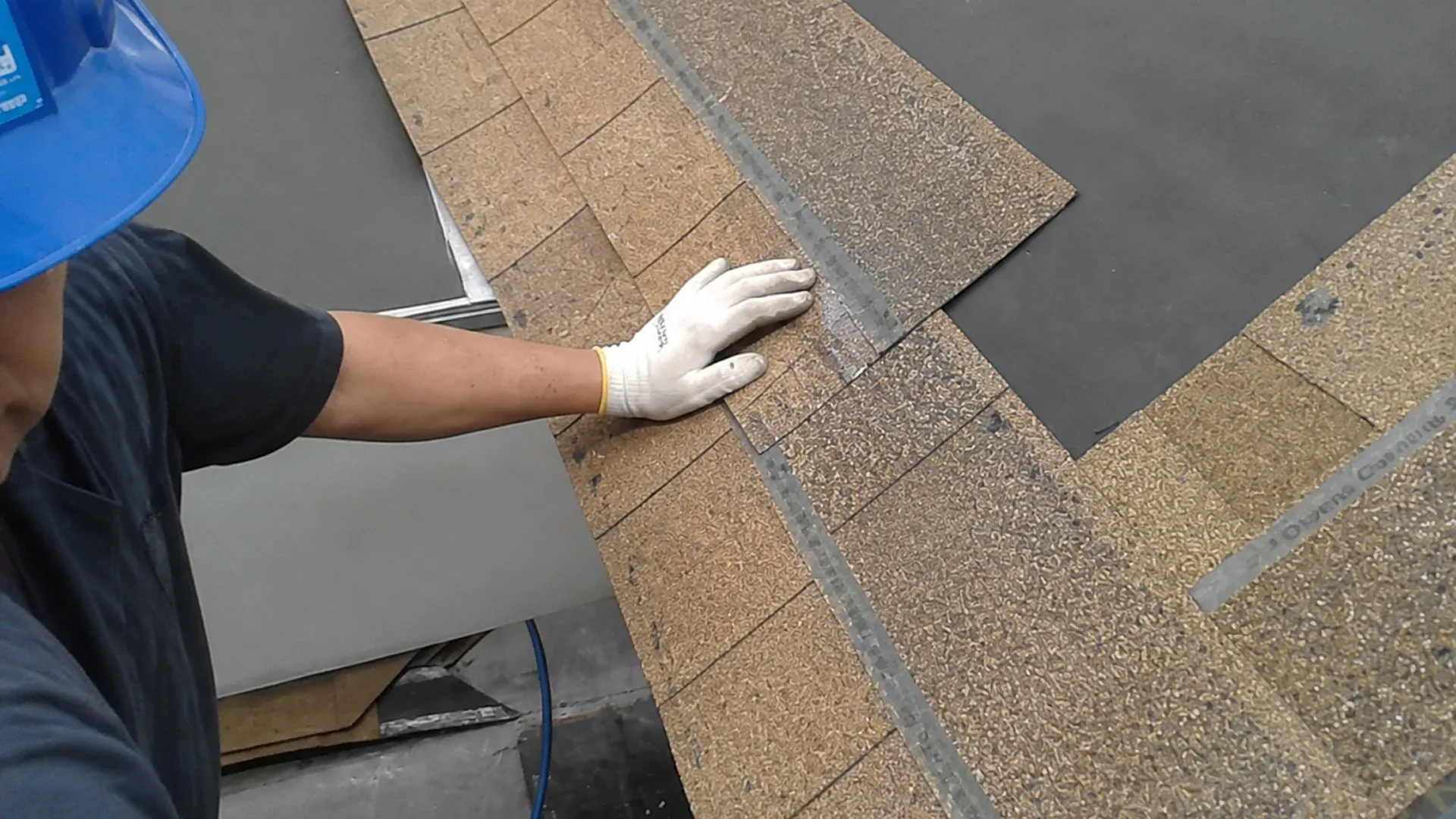
Priority repairs to complete before hurricane season:
- Replace any missing or damaged shingles immediately. In a storm, a single missing shingle creates a leverage point where wind can peel back an entire section of roof.
- Re-seal or replace flashing around all penetrations. Flashing failures are one of the leading causes of post-storm leaks in Tampa Bay homes.
- Repair any soft spots in the roof deck. Compromised decking won't hold fasteners under high wind uplift loads.
- Clear and re-secure gutters. Overloaded gutters can pull away from the fascia during storms, causing additional structural damage.
- Trim overhanging trees. While not a roofing repair per se, large branches over your roof are one of the most common sources of hurricane damage across Tampa Bay neighborhoods.
Completing these repairs in spring puts you in the strongest possible position when storm season arrives and ensures your roof is at full structural integrity before it's tested.
Know Your Roof's Age and Materials
Your hurricane season roof Tampa Bay strategy depends heavily on what you're working with. A 22-year-old 3-tab asphalt shingle roof and a 5-year-old metal roof require very different approaches.
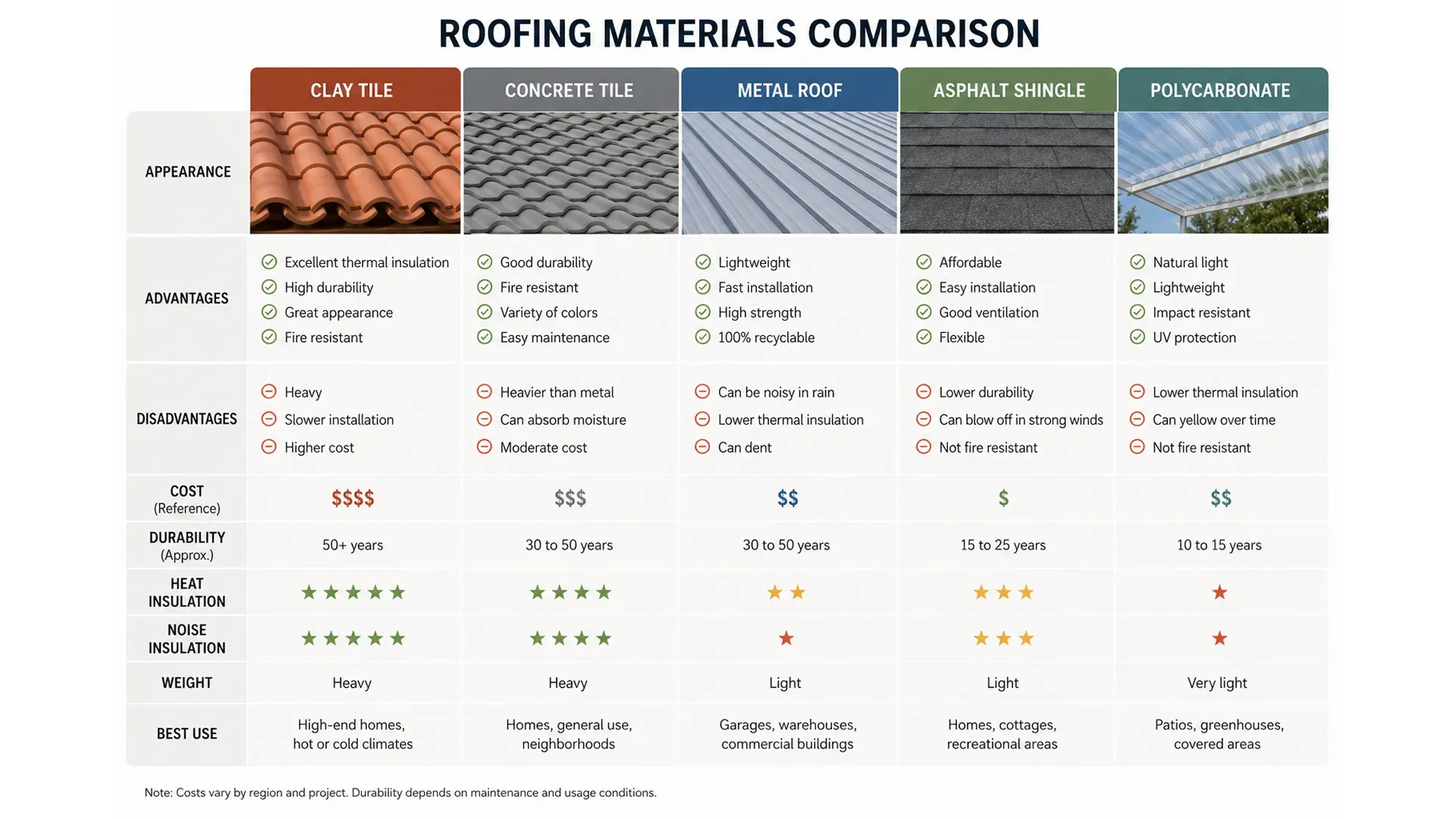
Asphalt shingles (3-tab): Standard 3-tab shingles are typically rated for winds up to 60–70 mph, well below the sustained winds of a Category 2 or 3 hurricane. If your roof is approaching or past its lifespan and is covered in aging 3-tab shingles, a pre-season replacement may be the most financially sound decision you make all year.
Architectural (dimensional) shingles: Higher-grade architectural shingles carry wind ratings of 110–130 mph, making them a significantly better option for Tampa Bay homes. If you're replacing before the season, this is the minimum grade we recommend.
Metal roofing: Standing seam metal roofs are the gold standard for hurricane resistance in Florida. Properly installed metal roofs can withstand winds of 140 mph or more, and they're increasingly popular across the Tampa Bay area for exactly that reason.
Tile roofing: Concrete and clay tile roofs can be highly wind-resistant when properly secured, but they're vulnerable to impact damage from flying debris. Loose or cracked tiles should be repaired before the season, as a single missing tile can allow water entry into the underlying deck.
If your roof is within two to three years of the end of its expected lifespan, replacing it before hurricane season is almost always the better financial decision, especially compared to dealing with a storm-damaged roof with a compromised insurance claim on an aging structure.
Reinforce the Weak Points
Beyond standard repairs, there are reinforcement measures specifically designed to improve your roof's performance in a hurricane. These are particularly relevant for Tampa Bay homeowners given our exposure to high-wind events.
Secondary water barrier (SWB): Florida building code now requires a secondary water barrier on new roofs, a self-adhering underlayment that keeps water out even if shingles are stripped off. If your older home doesn't have this, adding it during a re-roof dramatically improves storm resilience.
Hurricane straps and clips: These metal connectors tie your roof decking and trusses to the wall framing below. Homes built before the mid-1990s often lack adequate strap connections, a known vulnerability in older Tampa Bay housing stock. A structural assessment can identify whether upgrades are warranted.
Roof deck fastening: Older homes may have roof decking fastened with 6d nails on 6-inch spacing. Florida's current code requires 8d nails on 6-inch spacing, a simple change that significantly increases wind uplift resistance. During a re-roof, upgrading fastening patterns is a low-cost improvement with high impact.
Impact-resistant shingles: Class 4 impact-rated shingles provide better resistance to hail and debris strikes, a practical upgrade in a region where tropical storms regularly generate flying debris.
Review Your Homeowners Insurance Before June
Your hurricane season roof Tampa Bay preparation isn't complete without a thorough review of your homeowners insurance policy. Florida's insurance landscape is complex and many homeowners discover coverage gaps only after a storm, when it's too late.
Key things to review with your insurance agent before hurricane season:
- Wind vs. flood coverage: Standard homeowners policies cover wind damage but not flooding. In Tampa Bay, especially in low-lying areas of Pinellas and Hillsborough, flood coverage through the NFIP or a private insurer is essential.
- Roof age and actual cash value vs. replacement cost: Many Florida policies depreciate roof claims based on age. A 15-year-old roof may only receive a fraction of replacement cost under an ACV policy. Understand your terms before a storm, not after.
- Deductibles: Florida policies commonly have a separate hurricane deductible, often 2–5% of your home's insured value, which is significantly higher than the standard policy deductible. Know what you'd owe out of pocket.
- Documentation: Before hurricane season, photograph and video your entire roof from every accessible angle. Store copies in the cloud. This documentation is invaluable when filing a post-storm claim.
A well-documented, recently inspected, properly maintained roof is also a stronger claim. Insurance adjusters look favorably on roofs with service records and recent professional assessments.
Have a Post-Storm Plan Ready
Even the best-prepared hurricane season roof Tampa Bay can take damage in a major storm. Having a response plan in place before the season means you react faster and faster response limits secondary damage significantly.
After a hurricane or tropical storm:
- Do not get on the roof yourself. Post-storm roofs may have hidden structural damage, slippery debris, and weakened decking. Leave access to licensed professionals.
- Photograph everything before any cleanup or temporary repairs. Your insurance claim depends on documentation of the original damage.
- Apply emergency tarping if needed to prevent additional water infiltration — but only through a licensed contractor. DIY tarping done incorrectly can actually complicate insurance claims.
- Call your roofing contractor before your insurance company. A qualified contractor can document damage professionally, help you understand the scope, and assist with the claims process.
- Watch for storm-chaser contractors. After major storms, Tampa Bay is unfortunately flooded with out-of-state contractors offering quick, cheap repairs. Always verify a Florida roofing license before signing anything.
Coastal Roofing Group offers emergency roof repair services with rapid response across all Tampa Bay counties. Our own licensed crew handles every job, no subcontractors, no surprises.
Prepare Now, Protect All Season Long
There's no such thing as a hurricane-proof roof, but there is absolutely such a thing as a hurricane-ready one. For Tampa Bay homeowners, investing time and resources into your hurricane season roof Tampa Bay preparation before June is one of the smartest financial decisions you can make. An inspection, targeted repairs, and a clear insurance and response plan can mean the difference between a manageable storm experience and a months-long, expensive ordeal.
Don't wait for a storm to tell you what a contractor could have caught in March.
Call Coastal Roofing Group at (813) 497-4428 for a free roof inspection and estimate. We serve all of Tampa Bay — Hillsborough, Pinellas, Pasco, Polk, Manatee, and surrounding counties and we back every job with a written warranty. Family-owned, locally trusted, always on your roof.
__
About Adrian Coastal Roofing
Adrian is the CEO of Coastal Roofing, a company specializing in roof installation in Florida, recognized for its quality, reliability, and excellence in residential and commercial projects. With years of experience in the construction industry and Florida roofing, Adrian has built his reputation by delivering durable solutions that withstand the state’s extreme weather. Under his leadership, Coastal Roofing has become a leader in roof installation in Florida, offering modern systems such as TPO, PVC, metal roofing, and other efficient solutions to reduce costs and extend the lifespan of roofs.


