
New Roof Installation in Central Florida: What to Know
Thinking about a new roof installation in Central Florida? Learn what to expect, when it makes sense, and how to choose the right contractor for your home.

Adrian Coastal Roofing

If you've been putting off a new roof installation, you're not alone. Most homeowners in Central Florida wait until a problem forces the conversation, a persistent leak, visible wear after a storm, or a home inspection that flags the roof before a sale.
But waiting too long usually turns a manageable situation into a more stressful one. Understanding what a new roof installation actually involves, and what to expect along the way, makes the whole process a lot easier to navigate. This guide walks you through the key things every Florida homeowner should know before getting started.
How to Know If Your Home Needs a New Roof Installation
Not every roof problem calls for a full new roof installation. Sometimes a targeted repair is the right answer. But there are situations where starting fresh makes more sense than patching over existing damage.
Some of the clearest signs that a new roof installation may be the right move:
- Your roof is over 20–25 years old. Asphalt shingles, the most common material in Central Florida, have a finite lifespan. If your roof is approaching or past that mark, regular maintenance becomes harder to justify versus replacement.
- You're seeing widespread granule loss. When shingles lose their protective granule coating at scale, not just in one spot, the underlying material starts to break down faster.
- Leaks keep coming back. A single leak in a defined area is often repairable. But if water intrusion keeps showing up in different places, the roof system itself may be failing.
- The structure is uneven or sagging. This typically signals damage that goes beyond the surface layer and needs a thorough assessment.
- You're renovating or adding onto your home. New construction additions often require a new roof installation to properly integrate with the existing structure or meet updated building codes.
If you're unsure where your roof stands, the best starting point is an inspection by a licensed roofing contractor who can give you an honest assessment, not a sales pitch.
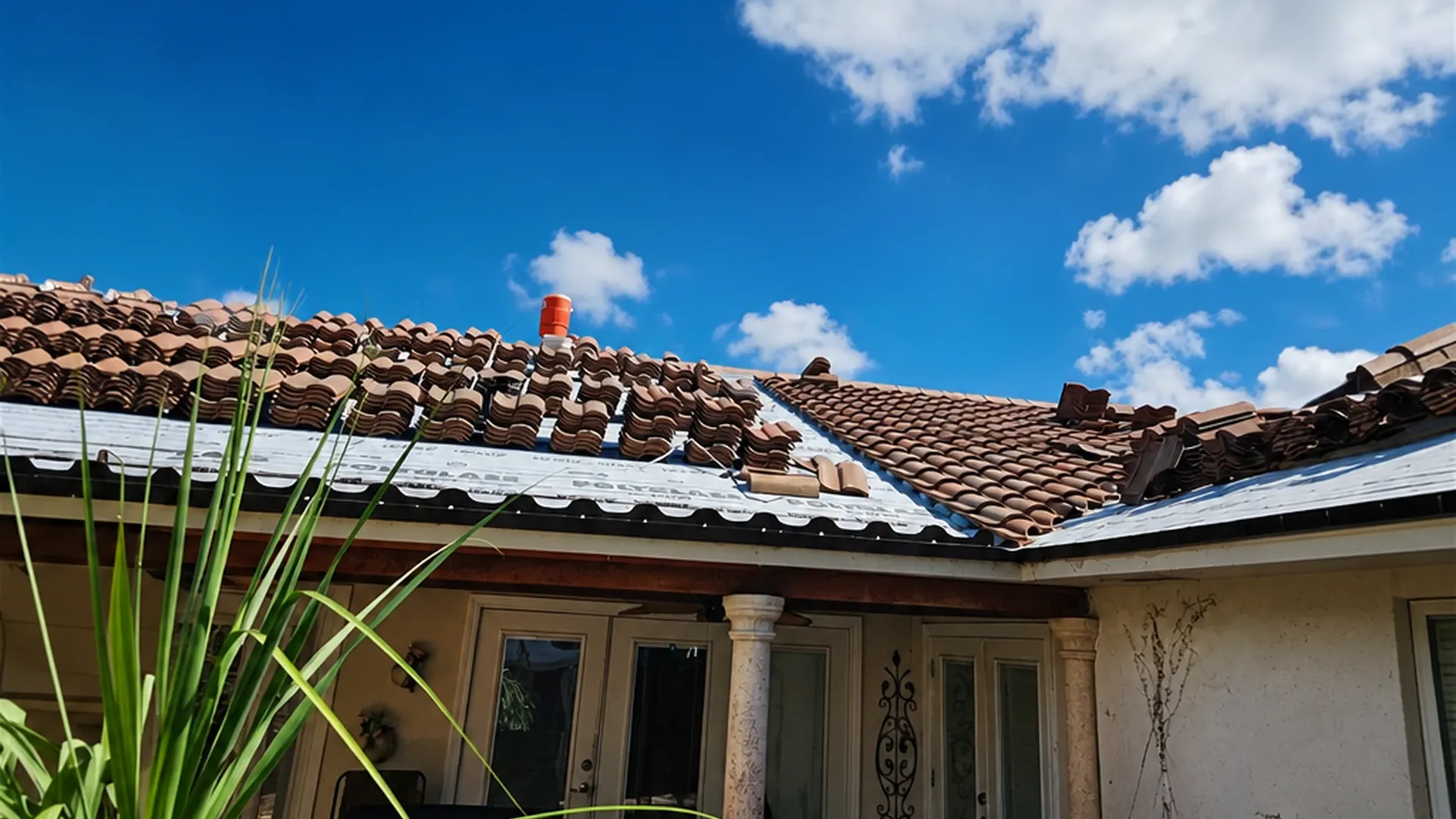
What a Licensed Roofing Contractor in Central Florida Actually Does During Installation
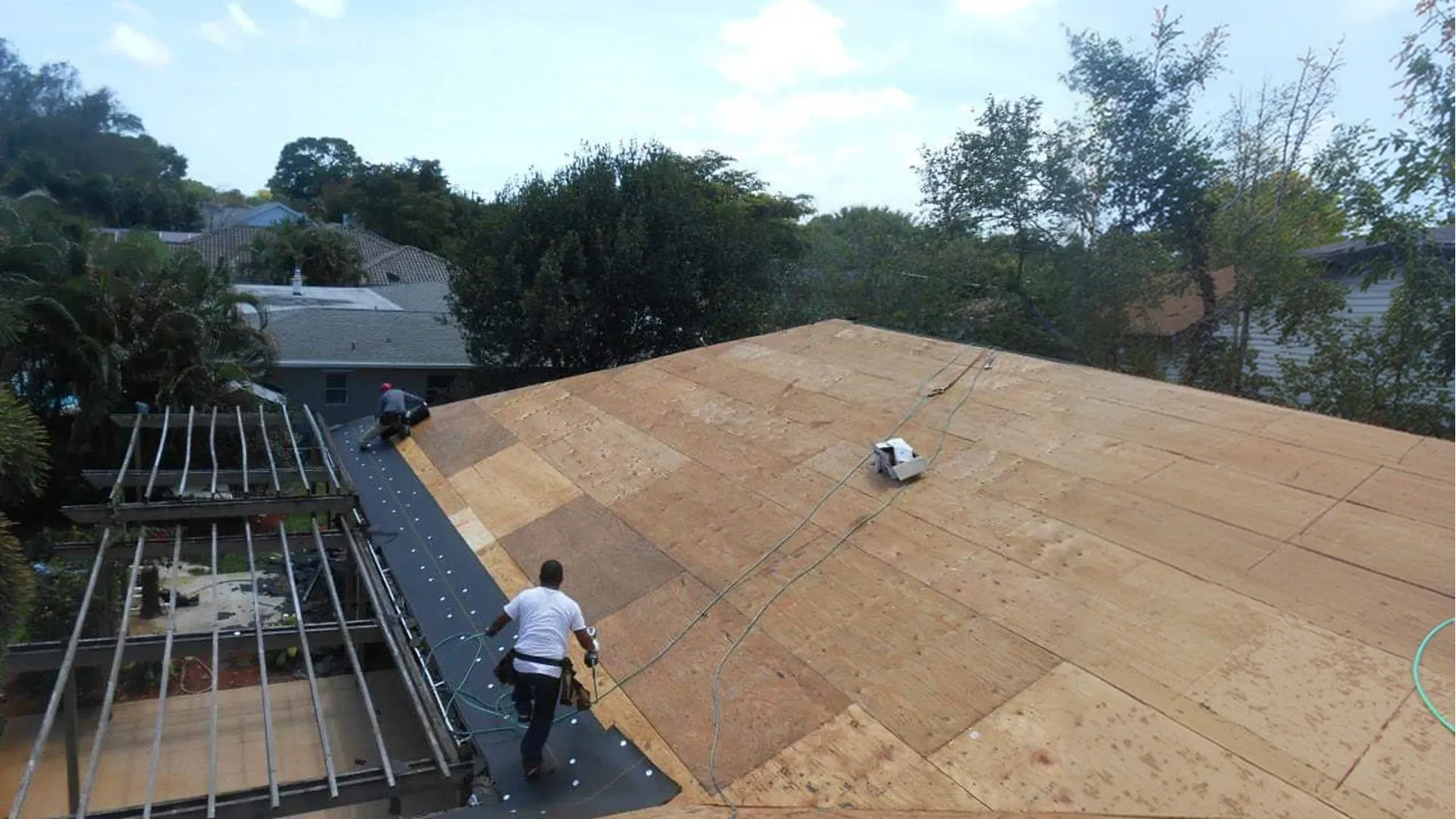
Understanding the general process helps homeowners know what they're agreeing to and what questions to ask. A new roof installation isn't just about putting new shingles on top of old ones. When done correctly, it's a multi-step process that addresses the full system.
A licensed roofing contractor in Central Florida typically follows this sequence:
- Site preparation and protection. Before any work begins, the crew protects your property, landscaping, siding, windows and sets up for safe operation.
- Tear-off of existing roofing material. Old shingles, underlayment, and in some cases decking are removed down to the roof deck to assess its condition.
- Deck inspection and repair. Any damaged or soft sections of the decking are replaced before new material goes down. This step is easy to skip and easy to overlook, it matters.
- Underlayment installation. A water-resistant barrier is installed across the deck before any shingles go on. In Florida's climate, this layer is especially important.
- New roofing material installation. Shingles, metal panels, or other selected materials are installed according to manufacturer specifications and local building codes.
- Flashing, ventilation, and edge work. Valleys, ridges, chimneys, and roof penetrations are sealed and flashed properly to prevent water intrusion.
- Cleanup. A thorough cleanup, including a magnet sweep for nails, is part of the job, not an afterthought.
The timeline for a residential new roof installation varies depending on the size and complexity of the home, but most projects are completed within one to three days.
Roofing Materials for Florida Homes: What Works Here
Florida's climate puts specific demands on roofing systems. Heat, humidity, UV exposure, and storm wind loads are all factors that affect how long a roof lasts and how well it performs. Choosing the right roofing materials for a Florida home is one of the most important decisions in the process.
The most common options for residential new roof installation in Central Florida:
Asphalt Shingles The most widely used material in the region. Asphalt shingles are available in a wide range of styles and offer a reasonable balance of performance and cost. Modern architectural shingles have better durability than older 3-tab versions and carry manufacturer warranties that range from 25 to 50 years depending on the product line. Brands like GAF, Owens Corning, CertainTeed, and TAMKO are commonly used by licensed contractors in the area.
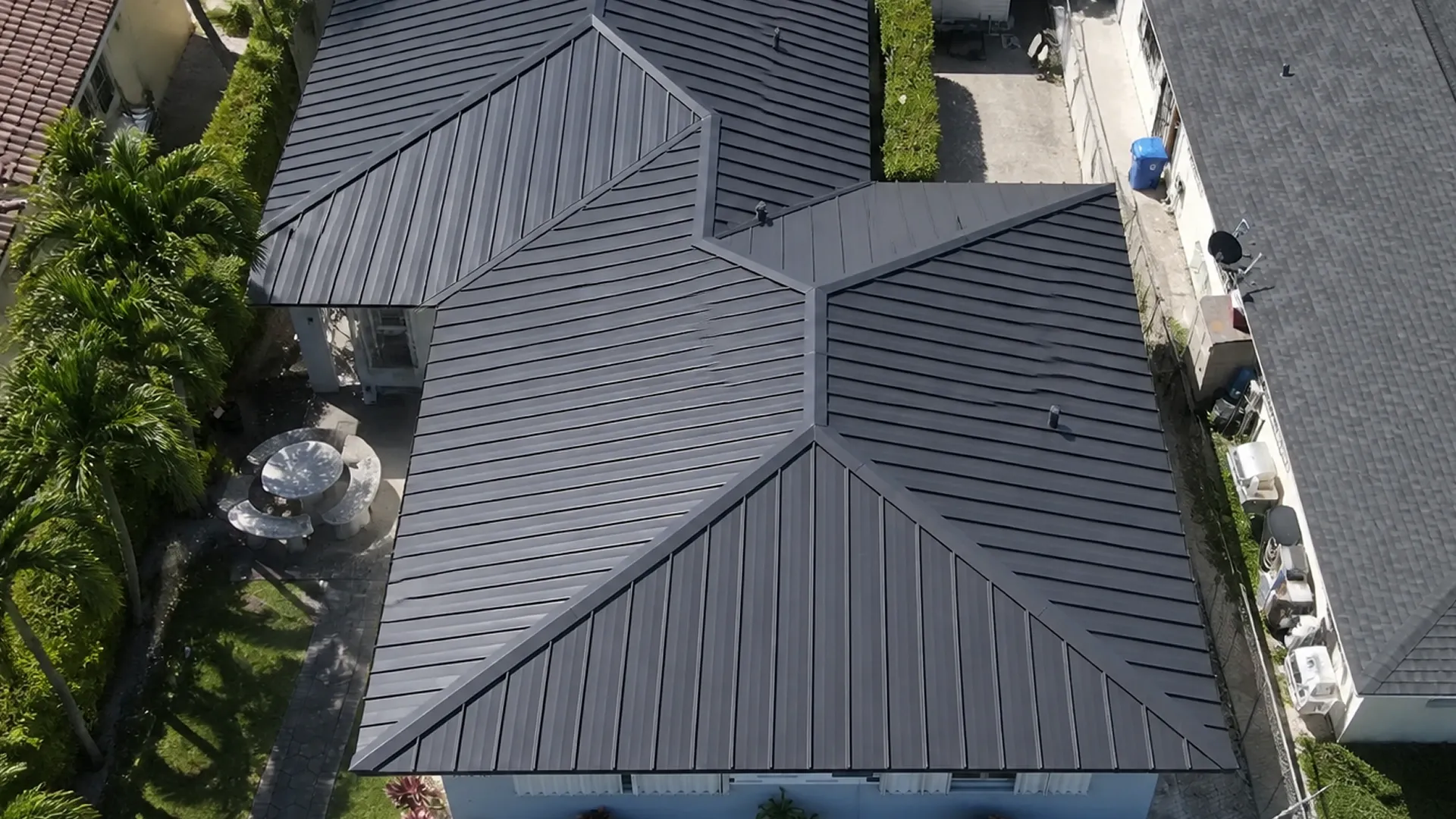
Metal Roofing Standing seam and metal panel systems have grown in popularity across Florida, and for good reason. Metal roofs handle heat and wind particularly well, and they typically carry longer lifespans than asphalt. They're also a strong option for homes looking to improve energy efficiency. The upfront investment is higher, but for homeowners planning to stay in their homes long term, the math often works out over time.
Flat and Low-Slope Systems For homes or additions with low-pitch rooflines, different materials apply. TPO and modified bitumen systems are common in commercial and some residential flat-roof applications.
Your roofing contractor should walk you through the options that make sense for your specific roof geometry, your home's aesthetic, and what works within Florida's building code requirements.
Roof Replacement vs. New Roof Installation: Is There a Difference?
This question comes up often, and the terminology can be confusing. The short answer: in most conversations, people use the two terms interchangeably, but there is a practical distinction.
Roof replacement typically refers to replacing an existing roof on a home that already has one. The old material is removed, the deck is assessed, and a new system is installed.
New roof installation can refer to the same process on an existing home, but it also applies to new construction, homes being built for the first time, additions, or structures that didn't previously have a completed roofing system.
In terms of what the work actually involves, both go through the same core steps. The key difference is whether there's an existing system to tear off and whether the structure below has been through any weathering or wear.
If you're comparing quotes or reading contractor descriptions, don't get too caught up in the terminology. Focus instead on what's included in the scope of work, what materials are being used, and what warranty covers the finished installation.
Frequently Asked Questions About New Roof Installation
How long does a new roof installation take on a typical Central Florida home?
Most residential projects are completed in one to three days. Larger homes, more complex rooflines, or projects that require significant deck repair may take longer. Your contractor should give you a realistic timeline before work begins and communicate if anything changes.
Do I need to be home during the installation?
You don't need to be present throughout the day, but it's generally a good idea to be reachable. The crew will need access to the property, and if any unexpected conditions come up, like deck damage that wasn't visible until the tear-off, your contractor will want to walk you through what they found before proceeding.
What warranty should I expect on a new roof installation?
Most new roof installations include two types of coverage: a manufacturer's warranty on the materials (which varies depending on the product selected) and a workmanship warranty from the contractor covering the installation itself. Make sure both are in writing before you sign anything. Verbal assurances aren't warranties.
Does a new roof require a permit in Florida?
Yes. Florida building code requires permits for roof replacements and new installations. A licensed contractor handles the permit process as part of the job. If a contractor suggests skipping the permit to save time or money, that's a significant red flag.
Can a new roof installation affect my homeowner's insurance?
It can, and often in a positive way. Many insurers in Florida factor the age and condition of a roof into premiums. A new roof installation with proper documentation may help stabilize or reduce your insurance costs. Talk to your insurance agent about how to notify them once the work is complete.
Conclusion: Start With an Honest Assessment
A new roof installation is a significant decision for any homeowner, and it shouldn't start with pressure or rushed timelines. The right first step is a straightforward inspection from a licensed roofing contractor who can tell you honestly what your roof looks like, what's holding up, what isn't, and what your actual options are.
Coastal Roofing Group serves homeowners across Central Florida, including Tampa, Temple Terrace, Brandon, Haines City, and surrounding counties. As a family-owned, BBB A-rated contractor with a licensed and insured crew on every project, they offer free estimates and written warranties on all work.
If you're thinking about a new roof installation or just want to know where your current roof stands, give them a call at (813) 497-4428 or request a free estimate at coastalroofinggrp.com.
About Adrian Coastal Roofing
Adrian is the CEO of Coastal Roofing, a company specializing in roof installation in Florida, recognized for its quality, reliability, and excellence in residential and commercial projects. With years of experience in the construction industry and Florida roofing, Adrian has built his reputation by delivering durable solutions that withstand the state’s extreme weather. Under his leadership, Coastal Roofing has become a leader in roof installation in Florida, offering modern systems such as TPO, PVC, metal roofing, and other efficient solutions to reduce costs and extend the lifespan of roofs.


