
Polk County Roof Maintenance: Protect Your Home Year-Round
Protect your Polk County home year-round with essential roof maintenance tips for Lakeland, Winter Haven, and nearby areas. Free inspection available.

Adrian Coastal Roofing

Owning a home in Polk County means your roof faces one of the most demanding climates in the country. From the blistering summer sun beating down on Lakeland neighborhoods to the sudden afternoon thunderstorms that roll through Winter Haven, Haines City, and Davenport — and the annual threat of hurricane season running June through November — roofs in this part of Central Florida wear out faster than homeowners expect.
The good news: most roof failures don't happen without warning. A consistent maintenance routine catches problems early, extends the life of your roof by years, and keeps you ahead of costly emergency repairs, especially before and after Polk County's punishing storm season.
At Coastal Roofing Group, we help Polk County homeowners protect their investment with proactive, year-round roof care. This guide covers exactly what that looks like.
Why Roof Maintenance in Polk County Is Different
Polk County's geography creates roofing conditions that aren't typical even by Florida standards. Located in the heart of Central Florida, the county sits at the intersection of Gulf and Atlantic weather systems — making it one of the most lightning-strike-prone regions in the United States and a frequent target for tropical storm activity during hurricane season.
A few factors that make Polk County particularly demanding on roofs:
- Intense UV exposure year-round — Central Florida's sun degrades shingle granules and sealants faster than nearly anywhere else in the continental U.S., shortening asphalt shingle lifespans to 15–20 years in local conditions.
- High humidity and heat — Polk County's average summer humidity routinely exceeds 80%, accelerating algae growth, wood rot at roof edges, and the breakdown of underlayment materials.
- Frequent afternoon storms — From June through September, daily thunderstorms can deliver 2–4 inches of rain in under an hour across communities like Auburndale, Lake Wales, and Bartow, stressing gutters, flashings, and roof valleys.
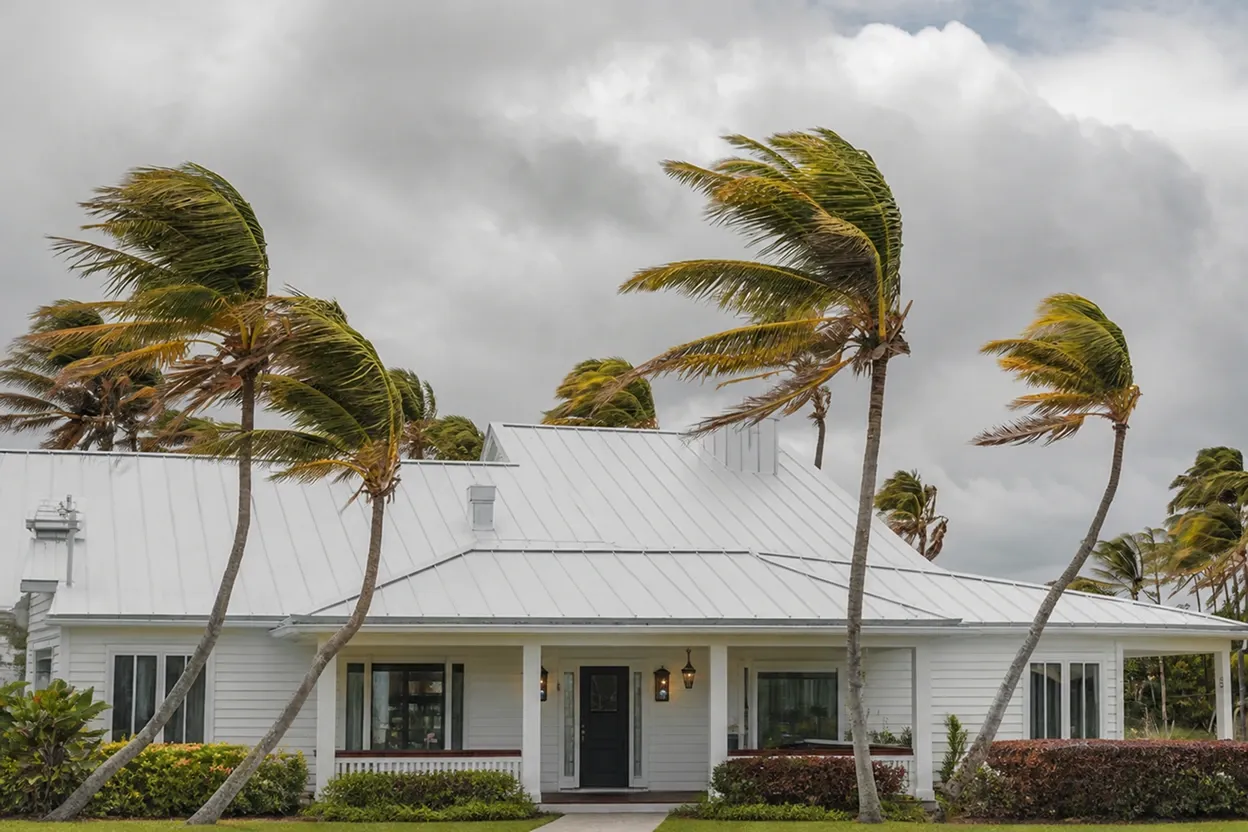
- Hurricane season exposure — Polk County sits far enough inland to avoid direct coastal storm surge, but sustained tropical winds regularly affect the county during hurricane season — as residents saw during Hurricane Ian in 2022 and Hurricane Milton in 2024.
Understanding these conditions is the starting point for a roof maintenance strategy that actually works in Polk County.
The Complete Polk County Roof Maintenance Checklist
1. Keep Your Roof Free of Debris
Leaves, pine needles, and branches accumulate quickly on Polk County roofs — especially near the many lakefront and tree-lined residential areas in Lakeland and Winter Haven. Debris collects moisture, stays wet long after rain, and sits directly against shingle surfaces and in roof valleys where water naturally flows.
Over time, trapped moisture accelerates shingle deterioration, breeds mold and mildew, and creates conditions for wood rot at the decking level. Clearing your roof of debris — and keeping the valleys especially clean — is the simplest and most overlooked maintenance step for Polk County homeowners.
Maintenance tip: Remove debris after every significant storm and do a full check at the beginning and end of the rainy season (June and October).
2. Monitor for Algae, Moss, and Mold Growth
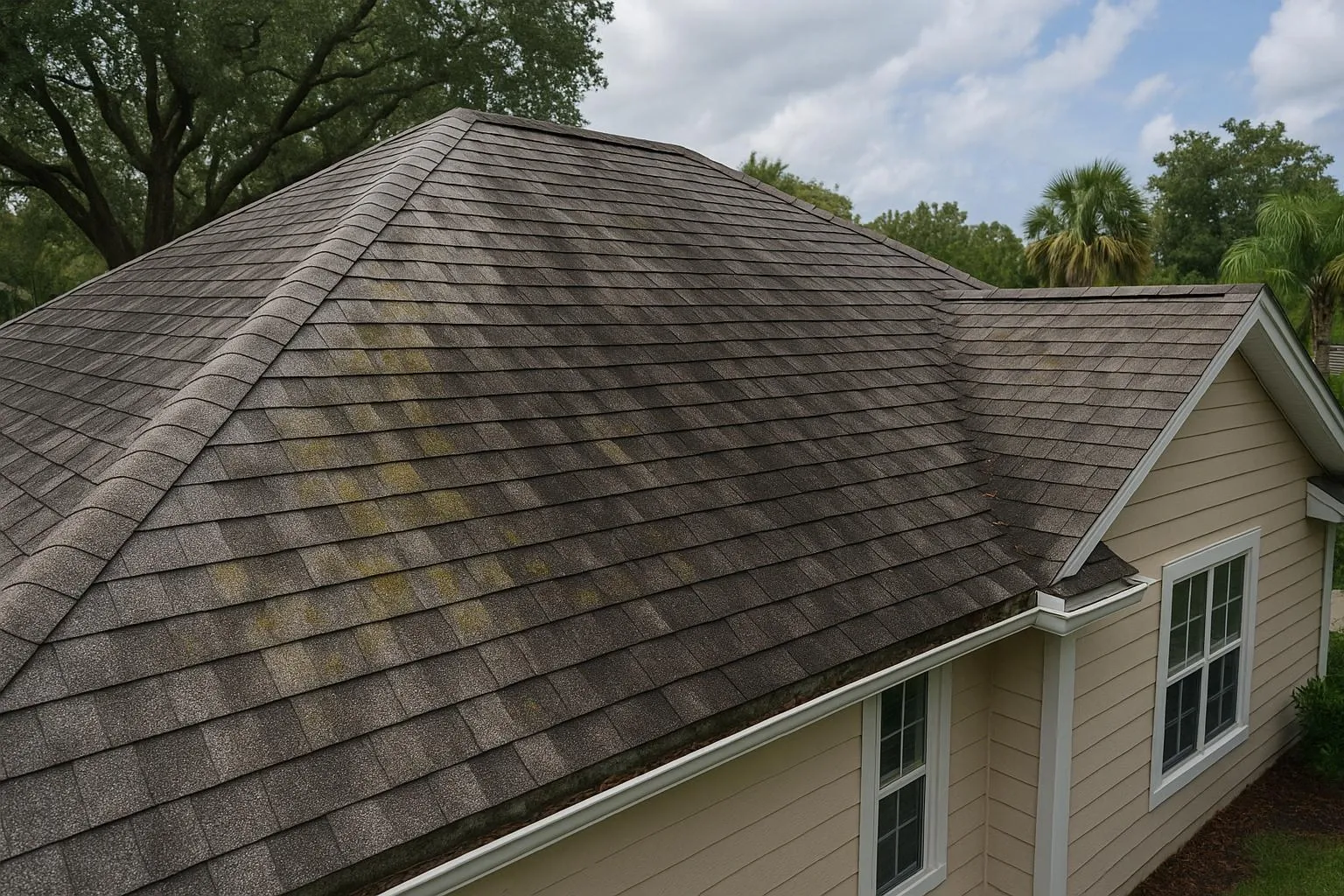
Polk County's combination of heat and high humidity creates ideal conditions for biological growth on roofing surfaces. Those dark streaks you see on many Lakeland-area roofs are algae — specifically Gloeocapsa magma, a blue-green algae that feeds on the limestone filler in asphalt shingles.
Left untreated, algae growth accelerates shingle wear, reduces reflectivity (increasing attic heat), and can void manufacturer warranties. Moss is more serious — it holds moisture directly against the shingle surface, actively causing deterioration beneath the plant growth.
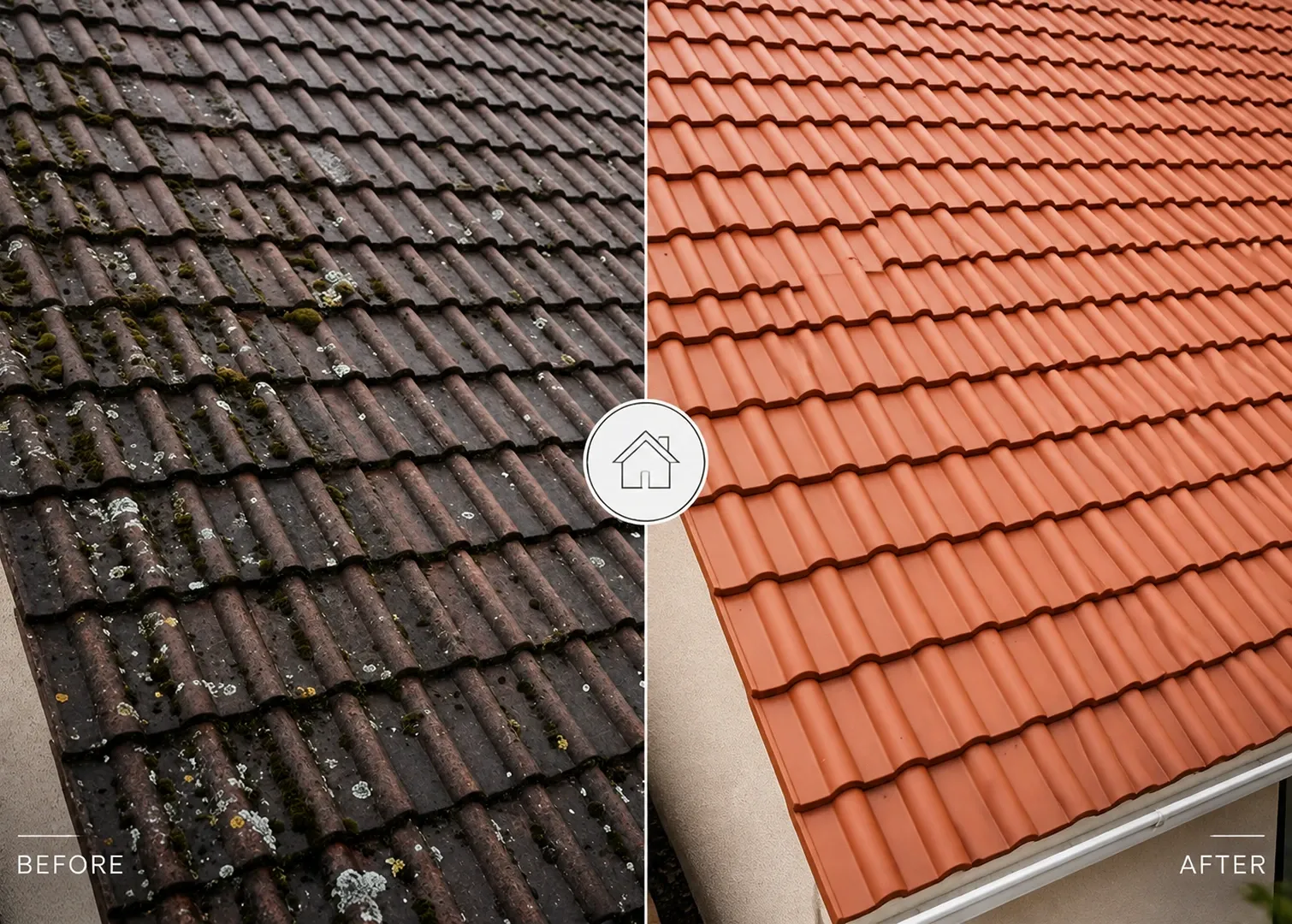
Algae-resistant shingles are now widely available and are a smart choice for Polk County homes. If your current roof already shows biological growth, a professional cleaning treatment can slow the damage — but widespread growth is also a sign to have a professional assess how much life remains in the roof system.
3. Inspect Gutters and Drainage Systems Regularly
Clogged gutters are one of the most common and preventable causes of roof damage in Polk County. When gutters fill with debris and overflow, water backs up under the drip edge and fascia — soaking the roof decking and framing, causing rot, and eventually finding a path into the interior of your home.
During Polk County's rainy season, functional gutters aren't optional. With storms capable of dumping several inches of rain in a short period, a properly sized, clear gutter system is the difference between water channeled away from your foundation and water sitting against your roofline.
Maintenance checklist:
- Clean gutters at minimum twice per year (spring and fall)
- Inspect gutter hangers and seams for separation or sagging
- Confirm downspouts discharge at least 4–6 feet from the foundation
- Check fascia boards behind gutters for soft spots or discoloration indicating rot
4. Inspect After Every Significant Storm
Polk County homeowners should treat post-storm inspections as a non-negotiable maintenance step. Tropical storms, named hurricanes, and even strong summer thunderstorms can cause damage that isn't visible from the ground — lifted shingle edges, cracked ridge caps, dislodged flashing at chimneys and vents, and punctures from flying debris.
The danger isn't just the damage itself. It's that small post-storm vulnerabilities, left unaddressed, turn into major failures during the next storm. Polk County's storm frequency means there's rarely a long window between weather events — which is why damage compounds quickly on unmaintained roofs.
What to look for after a storm:
- Missing, lifted, or visibly cracked shingles
- Debris impact marks or punctures
- Displaced or separated flashing at vents, chimneys, or walls
- Granule accumulation in gutters (indicates shingle surface damage)
- Interior signs — new water stains on ceilings or walls
If you see any of these, schedule a professional inspection before the next rain event.
5. Check Attic Ventilation and Insulation
Roof maintenance isn't only about what you can see from outside. Attic conditions directly affect how long your roof lasts in Polk County's heat. Poor attic ventilation traps heat — temperatures in unventilated Florida attics can exceed 160°F in summer — which accelerates shingle deterioration from below and forces your HVAC system to work significantly harder.
Signs of attic ventilation problems include unusually high cooling bills, excessive heat when entering the attic, moisture or condensation on attic framing, and shingles that appear to be blistering or aging prematurely.
A professional roof inspection includes attic ventilation assessment, an often-skipped step that has a direct impact on both roof lifespan and home energy efficiency.
6. Schedule a Professional Inspection at Least Once a Year
Annual professional inspections are the foundation of any effective roof maintenance plan for Polk County homeowners. A licensed roofing contractor can identify developing issues: loose flashings, worn sealants, soft decking, cracked pipe boots. That aren't visible during a casual exterior check.
Roof inspections in Polk County serve another critical purpose: documentation. Florida's insurance market has tightened significantly, and insurers increasingly require proof of roof condition and maintenance history to write or renew policies. An annual inspection report from a licensed contractor creates a documented record that protects you when filing a claim and when shopping for coverage.
Coastal Roofing Group recommends:
- One full professional inspection per year (ideally before hurricane season - April or May)
- An immediate post-storm inspection after any named storm or significant wind event
- An additional inspection if your roof is 10+ years old or if you've noticed any interior water staining
Seasonal Roof Maintenance Calendar for Polk County
Roof maintenance in Polk County should follow a seasonal routine to stay ahead of weather-related damage. In spring (March through May), homeowners should schedule an annual inspection, clear debris from the roof, check gutters, and seal any open penetrations before the rainy season begins.
During summer (June through September), frequent storms make post-storm inspections essential after significant weather events, along with monitoring for algae growth and checking attic ventilation.
In the fall (October and November), it’s important to assess the roof after hurricane season, clean gutters of fallen leaves, and inspect flashing and sealants for any signs of wear.
Winter (December through February) is the ideal time for repairs and planned roof replacements, allowing homeowners to complete work before the next spring storm season arrives.
Frequently Asked Questions
How often should Polk County homeowners have their roof professionally inspected?At minimum, once per year — ideally before hurricane season begins in June. Homes with roofs over 10 years old benefit from semi-annual inspections. Any named storm or severe weather event should trigger an immediate post-storm inspection, regardless of when the last scheduled inspection occurred.
Does homeowners insurance in Florida cover storm damage to my roof?Storm damage from wind and hurricanes is typically covered under standard Florida homeowners policies, but coverage terms have tightened significantly in recent years. Many insurers now limit or deny coverage on roofs over 15–20 years old. Maintaining documented inspection records and addressing maintenance issues promptly gives you the strongest position when filing a claim.
What roofing materials hold up best in Polk County's climate?Metal roofing and concrete or clay tile consistently outperform asphalt shingles in Central Florida's conditions due to their wind resistance, UV tolerance, and long lifespans (40–70+ years for metal, 30–50 years for tile). High-wind-rated architectural shingles with algae-resistant technology are a more budget-friendly option that still performs well when properly installed to Florida Building Code standards.
Can I perform roof maintenance myself in Polk County?Basic tasks like debris removal, gutter cleaning from the ground level, and visual inspections from the yard are reasonable DIY maintenance steps. Climbing onto the roof, resealing flashings, or making any shingle repairs should be handled by a licensed contractor. Florida's steep pitches, wet surfaces after rain, and hot roofing materials create real safety risks — and improper repairs can void manufacturer warranties.
Protect Your Polk County Roof Year-Round
A well-maintained roof in Polk County doesn't just protect your home — it protects your insurance coverage, your energy bills, and the long-term value of your property. Proactive maintenance is always less expensive than emergency repairs after a storm.
Coastal Roofing Group serves homeowners throughout Polk County, including Lakeland, Winter Haven, Haines City, Davenport, Auburndale, Bartow, and Lake Wales. Our team provides roof inspections, maintenance, storm damage assessments, repairs, full replacements, and insurance claim assistance — with local expertise built on years of experience with Polk County's specific climate and building conditions.
Contact Coastal Roofing Group today to schedule your free Polk County roof inspection.
About Adrian Coastal Roofing
Adrian is the CEO of Coastal Roofing, a company specializing in roof installation in Florida, recognized for its quality, reliability, and excellence in residential and commercial projects. With years of experience in the construction industry and Florida roofing, Adrian has built his reputation by delivering durable solutions that withstand the state’s extreme weather. Under his leadership, Coastal Roofing has become a leader in roof installation in Florida, offering modern systems such as TPO, PVC, metal roofing, and other efficient solutions to reduce costs and extend the lifespan of roofs.


