
Preventative Roof Maintenance Guide | Coastal Roofing Group
Learn how preventative roof maintenance protects your commercial property. Get the full checklist and expert tips from Coastal Roofing Group in Tampa Bay.

Adrian Coastal Roofing

Most commercial property owners only think about their roof when something goes wrong. A leak appears, a shingle shifts, or a storm rolls through, and suddenly, the damage is right before their eyes. At that point, what could have been a minor repair ends up turning into a costly replacement. That’s exactly where preventative roof maintenance makes all the difference.
Investing in a structured maintenance plan is one of the most effective ways to protect a commercial building in the long term. It extends the roof’s lifespan, reduces emergency repair costs, and keeps your property in compliance with insurance and warranty requirements.
In this guide, we’ll clearly explain what preventative roof maintenance involves, how to establish a solid routine, and what a proper checklist should look like for commercial properties in Florida’s demanding climate.
Preventative Maintenance for Commercial Roofs: Why You Can’t Afford to Wait
Preventative roof maintenance for commercial is not a luxury. For property managers and business owners in Central Florida, it is a financial necessity. Intense UV exposure, torrential rainy seasons, and occasional hurricane-force winds in Florida create conditions that accelerate roof deterioration faster than in most other states. Without a proactive approach, small vulnerabilities turn into serious structural problems.
On average, a well-maintained commercial roof can last between 20 and 30 years. Neglected roofs, on the other hand, often require complete replacement within 10 years or even less. The National Roofing Contractors Association (NRCA) estimates that up to 80% of premature roof failures can be directly attributed to a lack of maintenance. That is a staggering number, and it is entirely preventable.
Preventative maintenance for commercial roofs typically includes routine inspections, drainage system checks, membrane assessments, flashing inspections, and immediate minor repairs. Each of these components works together to create a roof that performs reliably during Florida’s most challenging seasons.
In addition to the structural benefits, there is also the issue of insurance. Many commercial property insurance policies include maintenance requirements. Failing to perform scheduled inspections can void coverage and make it significantly more difficult to file a claim after storm damage. A documented maintenance history is one of the most valuable assets a property owner can have when dealing with insurance companies.
At Coastal Roofing Group, we’ve seen firsthand the difference a consistent maintenance schedule makes. Roofs that receive regular attention hold up better, cost less over time, and cause far fewer headaches for the people responsible for them.
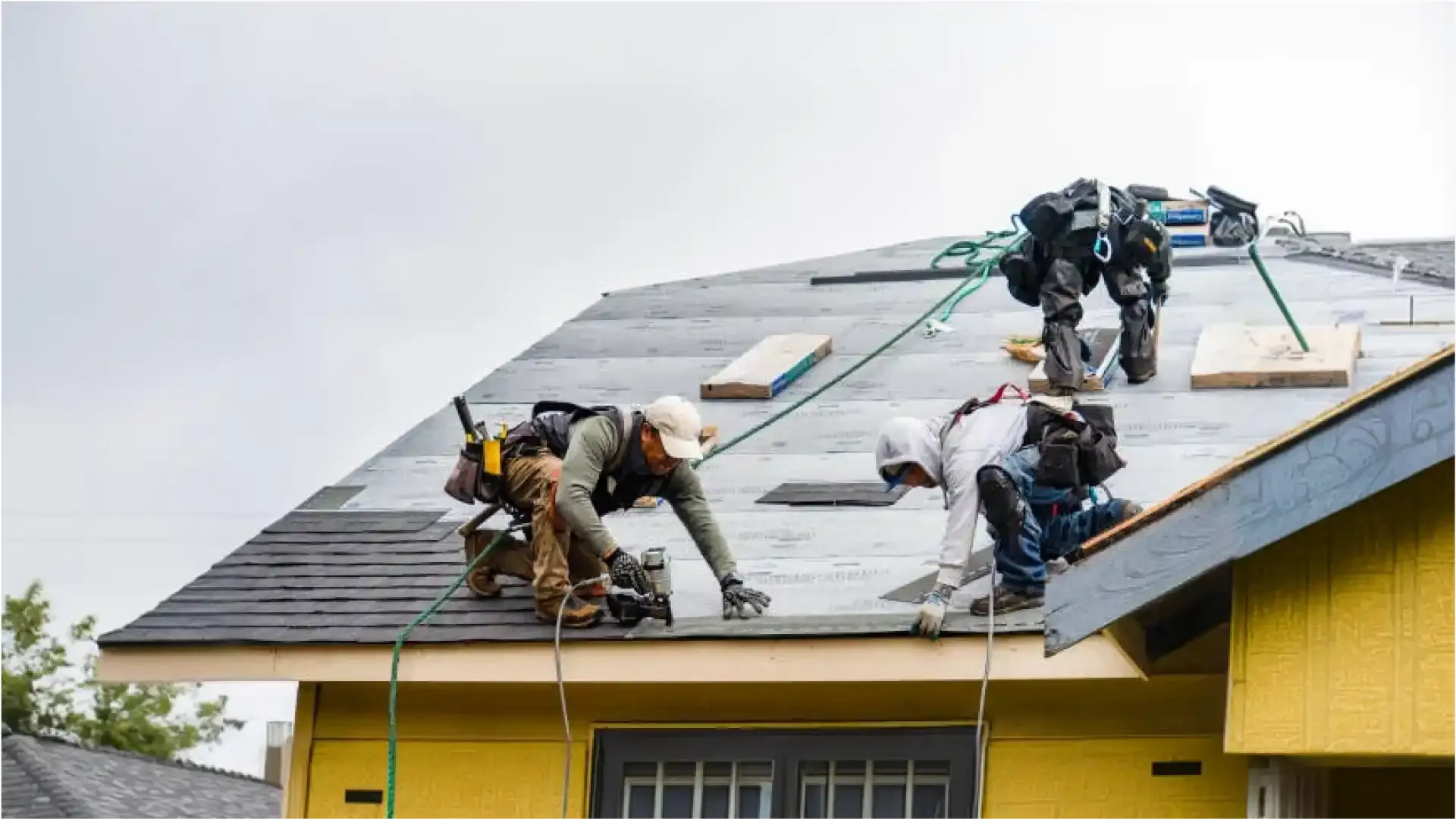
Checklist for Preventative Maintenance of Commercial Roofs: What to Inspect Each Season
A reliable checklist for preventative maintenance of commercial roofs is the foundation of any good maintenance program. Without a structured checklist, inspections become inconsistent, critical issues go unnoticed, and the entire preventative effort fails. Below is a list of what must not be overlooked during each inspection:
Exterior Roof Surface
The surface is the first line of defense against the elements. During each inspection, look for blistering, bubbling, or cracking in the membrane. On flat roofs, which are common for commercial buildings, any pooling water after rain is a red flag. Standing water accelerates membrane degradation and adds unnecessary structural load.
Check for punctures, tears, or any areas where the surface material has separated. On sloped systems, assess shingles for granule loss, curling edges, or missing sections.
Drainage Systems
Poor drainage is one of the leading causes of commercial roof damage. Every commercial roof preventative maintenance checklist should include a thorough review of gutters, downspouts, scuppers, and internal drains. Clear any debris that could block water flow. During Florida's rainy season, even a partial blockage can cause significant water intrusion in a single afternoon storm.
Flashing and Seals
Flashing around HVAC units, skylights, vents, and parapets is where water most commonly finds its way inside. Inspect all flashing for separation, corrosion, or gaps. Sealants around penetrations should be pliable and intact, not cracked or pulling away from the surface.
Roof Penetrations and Equipment
HVAC systems, exhaust fans, and utility conduits all penetrate the roof surface. Each penetration is a potential entry point for water if not properly sealed and maintained. Inspect the base of each unit and look for signs of rust, deterioration, or improper sealing.
Interior Warning Signs
Look for water stains on ceilings, signs of mold or mildew near vents, and any musty odors that suggest trapped moisture. Interior indicators often appear before visible exterior damage, making them valuable early warning signals.
Documentation
Every inspection should be documented with photos and written notes. This record serves as a maintenance history that supports warranty claims, insurance filings, and future repair decisions.
Preventative Roof Maintenance: Building a Schedule That Actually Works
The difference between a property that sees consistent performance and one that constantly requires emergency repairs usually comes down to whether preventative roof maintenance is treated as a scheduled priority or an afterthought.
A practical preventative roof maintenance schedule for commercial properties in Florida should include inspections at minimum twice per year, ideally once before hurricane season, in late spring, and once after it, in late fall. Properties with HVAC systems, older membranes, or significant foot traffic on the roof may benefit from quarterly reviews.
Beyond the biannual inspection, there are event-based checks that should happen after any major weather event. After a tropical storm or hurricane, even a roof in excellent condition should be inspected for debris impact, seam separation, and drainage performance.
The cost of preventative roof maintenance is consistently lower than that of the alternative.
Establishing a preventative roof maintenance schedule also means building a relationship with a trusted roofing company. When you work with the same team consistently, they become familiar with your roof’s specific history, past repairs, and known vulnerabilities. This institutional knowledge is genuinely helpful during inspections and becomes especially valuable after storms, when demand for roofing services spikes dramatically.
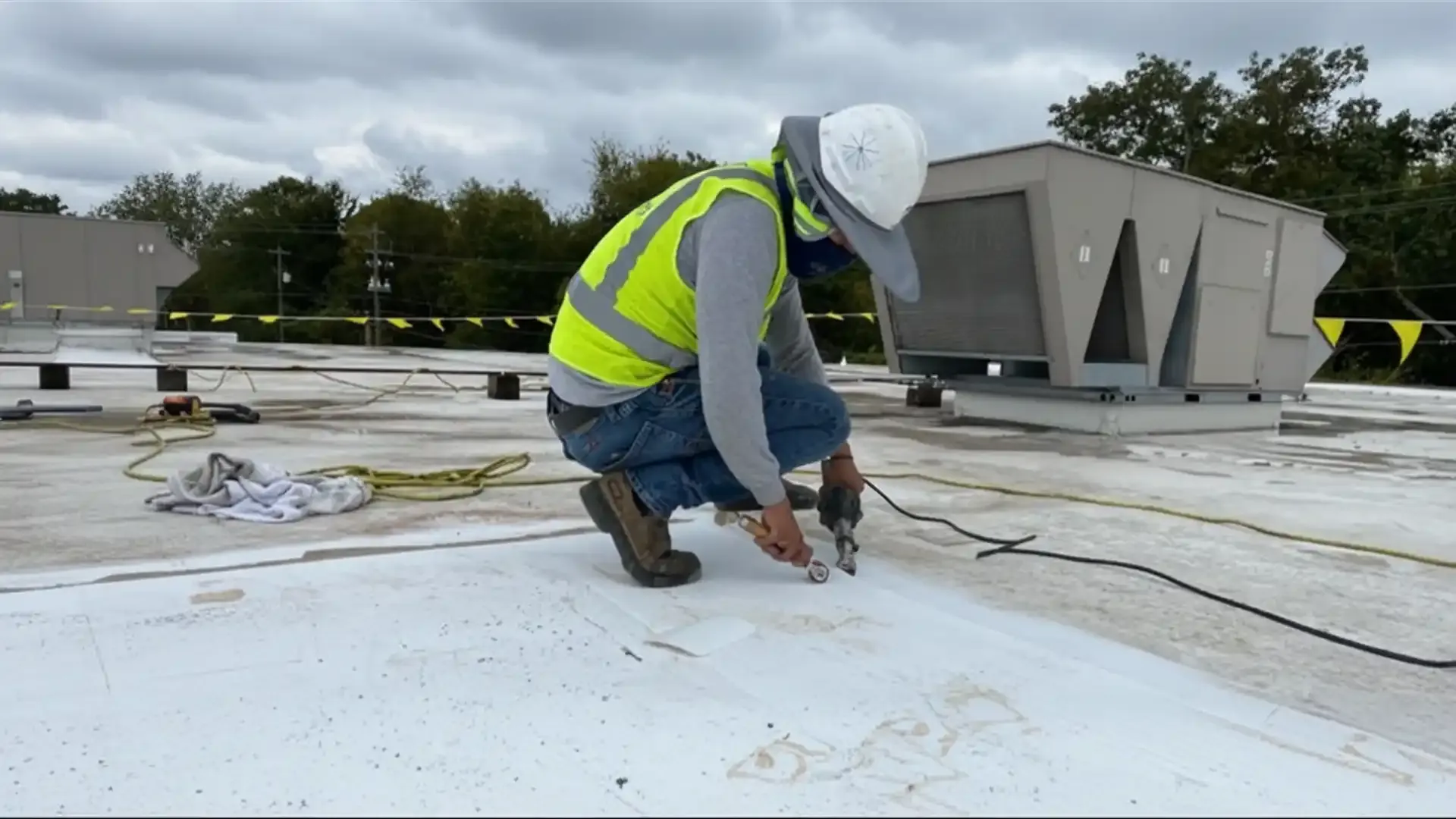
General Preventative Roof Maintenance Tips for Florida Homeowners
General preventative roof maintenance goes beyond formal inspections. There are everyday habits and decisions that, when combined, can significantly extend the life of your roof.
Keep your roof free of debris year-round. Leaves, twigs, dirt, and organic materials trap moisture and create conditions conducive to mold and algae growth. In Florida, biological growth on roof surfaces is a real concern due to the combination of heat and humidity. Algae and mold, if left untreated, degrade roofing materials faster than weather exposure alone.
Avoid walking on the roof unnecessarily. Every step on a flat membrane roof creates compression and potential micro-tears that accumulate over time. When HVAC technicians or other service providers need to access the roof, ensure they use appropriate protective mats and avoid dragging equipment across the surface.
Respond to minor issues immediately. A small roof repair that costs a few hundred dollars today prevents a major failure that costs tens of thousands next year. One of the most consistent patterns in commercial roofing is that deferred maintenance always costs more in the end.
Trim overhanging trees near the roofline. In Florida, a storm can bring large branches down onto a roof with enough force to cause immediate structural damage. Keeping trees trimmed reduces that risk significantly. Review your roof warranty documentation annually. Many manufacturer warranties require documented maintenance at specified intervals. Missing even one required inspection can void coverage that would otherwise pay for major repairs.
Frequently Asked Questions
How often should commercial roof preventative maintenance be performed?
For most commercial properties in Florida, preventative roof maintenance should be performed at least twice per year, once in the spring before hurricane season and once in the fall after it ends. Properties with older roofing systems, heavy HVAC equipment loads, or high foot traffic may benefit from quarterly inspections. After any significant weather event, such as a tropical storm or hurricane, an additional inspection is strongly recommended regardless of the regular schedule.
What is included in a commercial roof preventative maintenance checklist?
A thorough commercial roof preventative maintenance checklist covers the roof surface condition, drainage systems including gutters, downspouts, and internal drains, flashing and sealant integrity around all penetrations, HVAC equipment bases, parapet walls, and any skylights or vents. The checklist should also include an interior inspection for water stains, mold, or moisture indicators. All findings should be documented with photos for future reference.
Can preventative roof maintenance extend the life of my commercial roof?
Yes, significantly. Commercial roofs that receive regular preventative attention routinely last 20 to 30 years. Without maintenance, the same roofing systems may require full replacement in 10 to 15 years. The NRCA estimates that up to 80% of premature roof failures result from inadequate maintenance. A structured schedule of inspections and minor repairs is one of the highest-return investments a commercial property owner can make.
Conclusion
Preventative roof maintenance doesn’t mean spending more money on your roof. It means spending that money at the right time, before problems turn into emergencies and small repairs turn into complete replacements, which would end up costing you more. For commercial property owners in Central Florida, where weather conditions are among the harshest in the country, a consistent maintenance routine is the most reliable way to protect the investment in your building.
A structured preventative roof maintenance plan, based on a solid checklist and scheduled at the right intervals, keeps your roof performing for decades, rather than just a few years. It also provides the necessary documentation for insurance claims, the early warning signs needed before damage worsens, and the peace of mind that comes with knowing your property is protected.
At Coastal Roofing Group, we’ve been helping property owners throughout Tampa Bay and Central Florida maintain, repair, and replace commercial roofing systems for over two decades. If your property doesn’t have a preventative maintenance plan in place, now is the right time to start. Contact us today for a free inspection, and we’ll make sure your roof is ready for whatever Florida has in store.
About Adrian Coastal Roofing
Adrian is the CEO of Coastal Roofing, a company specializing in roof installation in Florida, recognized for its quality, reliability, and excellence in residential and commercial projects. With years of experience in the construction industry and Florida roofing, Adrian has built his reputation by delivering durable solutions that withstand the state’s extreme weather. Under his leadership, Coastal Roofing has become a leader in roof installation in Florida, offering modern systems such as TPO, PVC, metal roofing, and other efficient solutions to reduce costs and extend the lifespan of roofs.


