
Residential Roof Repair in Polk County, FL
Is your Polk County home showing signs of roof damage? Learn when to call for residential roof repair and protect your home before it gets worse.

Adrian Coastal Roofing

Living in Polk County means dealing with some of the most unpredictable weather in Florida. Between Lakeland's afternoon thunderstorms, the seasonal humidity that settles in from late spring through October, and the occasional hurricane that grazes through Central Florida, your roof takes a beating year after year. Most homeowners don't think about residential roof repair until water is dripping through the ceiling and by then, the problem is almost always bigger than it looks.
The good news is that most residential roof repairs are completely manageable when you catch them early. In this guide, you'll learn exactly what warning signs to watch for, what typically causes roof damage in Polk County homes, and how to know whether you're dealing with a repair or something more involved.
Roof Leak Repair: The Warning Signs Most Homeowners Miss
The most obvious sign of roof damage is a visible leak, but waiting until water appears indoors means the roof has likely been compromised for weeks or months. Residential roof repair is far simpler when problems are caught before water gets a chance to travel.
Here's what to look for before the leak makes itself known:
Water stains on ceilings or walls. Yellow or brown rings on interior ceilings are almost always a sign that water has already been infiltrating the roof system. Even if the stain looks dry, the roof leak repair process should start immediately.
Granules collecting in gutters. Asphalt shingles shed granules as they age. If you're cleaning your gutters after a storm and finding gritty black or gray material, your shingles are reaching the end of their protective life.
Daylight showing in the attic. On a bright day, go up into your attic and look up. Any pinpoints of light coming through the deck mean there are gaps in the roof and where light enters, water follows.
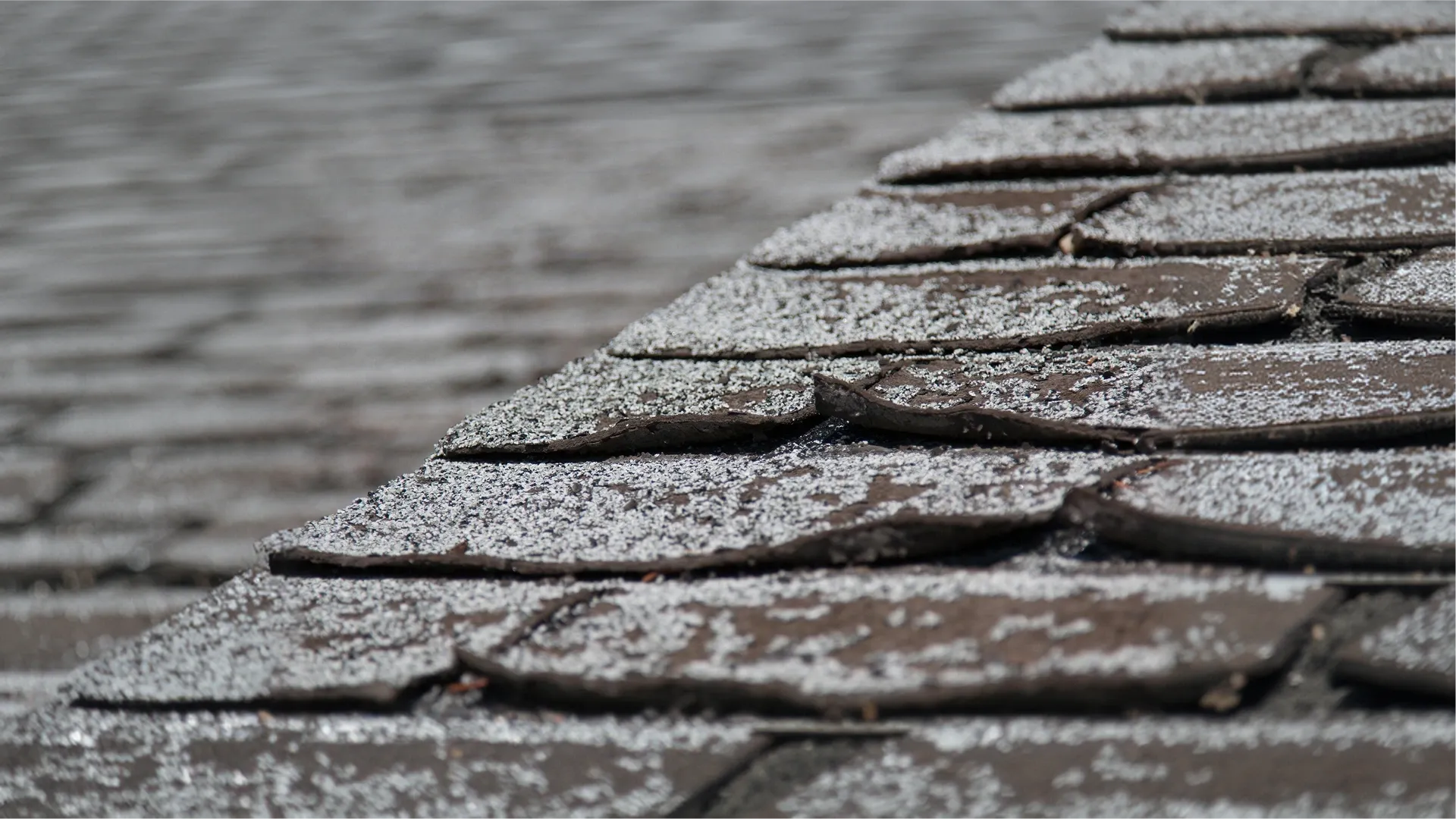
Curling, cracking, or missing shingles. Polk County's intense summer UV exposure causes shingles to curl and dry out faster than in cooler climates. A handful of damaged shingles doesn't mean a full replacement, but it does mean roof leak repair before the next rainstorm.
Sagging sections. Any area of the roof that appears to dip or bow inward is a red flag. This typically indicates moisture damage to the structural deck beneath the shingles, something that needs professional attention quickly.
The earlier a homeowner calls for residential roof repair, the smaller the scope of the job. A few damaged shingles caught in April look very different from the same problem discovered after three months of summer rains.
__
Storm Damage Roof Repair in Florida: What Happens After a Big Storm
Polk County sits in a part of Florida that sees some of the state's highest lightning strike density, and the region regularly gets hit with tropical storms and the outer bands of hurricanes passing through the Gulf. Storm damage roof repair is one of the most common calls residential contractors receive every season.
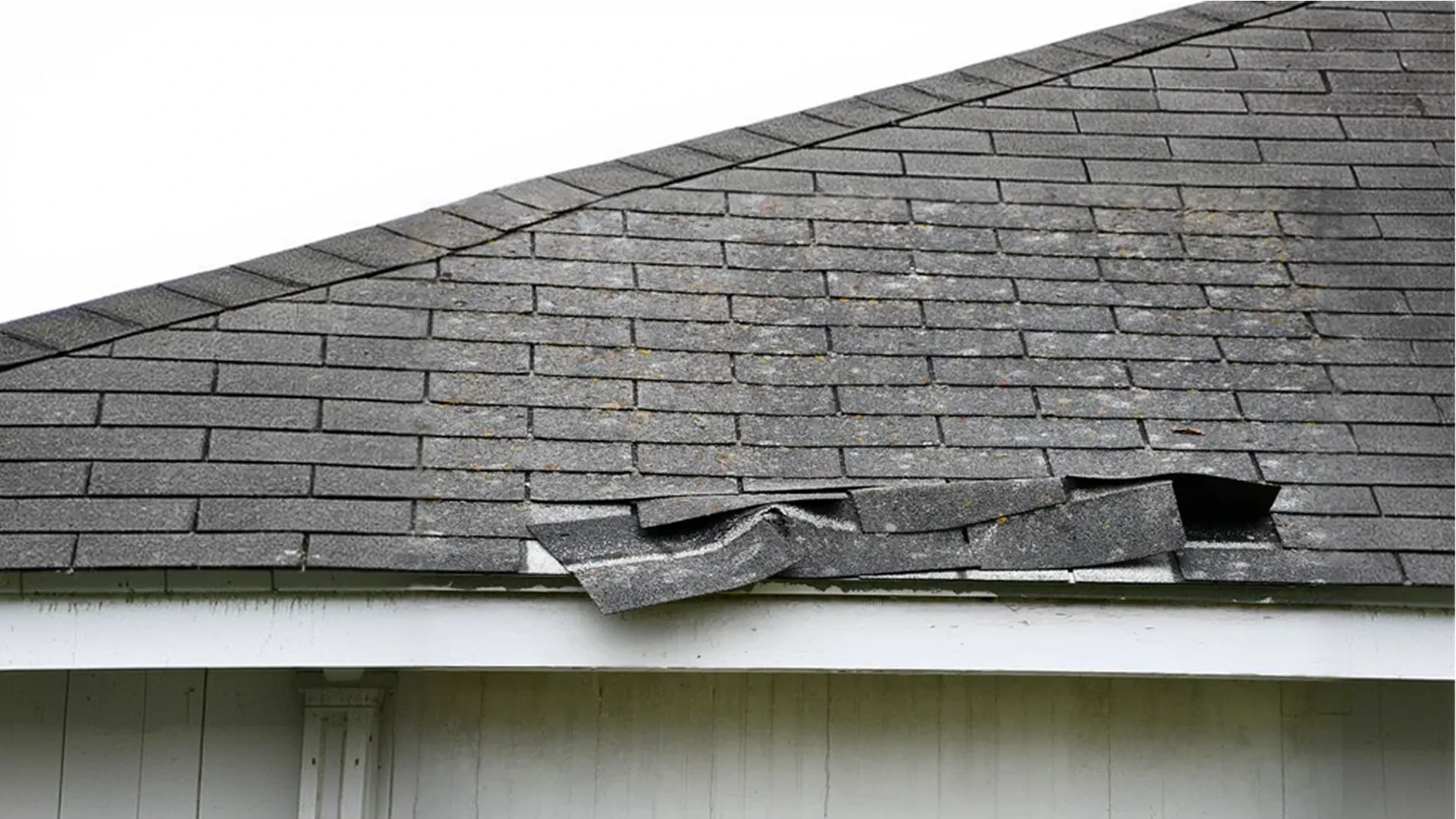
After a significant storm, most homeowners do a quick visual check from the ground and assume everything is fine if nothing looks obviously broken. That's a mistake. Storm damage roof repair often involves issues that are invisible from street level:
- Lifted or displaced flashing around chimneys, vents, and skylights. Flashing is the metal trim that seals these transitions. High winds peel it up, and even slightly lifted flashing lets water in during the next rain.
- Bruised or fractured shingles. Hail leaves soft spots in shingles that don't look like much from the ground but compromise the waterproof layer beneath. A contractor walking the roof can feel and see these fractures directly.
- Debris impact damage. Polk County has no shortage of mature oak trees. Branches that fall on a roof can crack decking, dislodge shingles, and punch through flashing, even when the visible damage looks minor.
- Granule loss from impact. A hailstorm or heavy debris event can strip granules from shingles in concentrated areas, leaving the asphalt layer exposed.
The standard guidance from Florida roofing professionals is to schedule a post-storm inspection within 48 to 72 hours if any of these conditions apply. Storm damage roof repair is one situation where waiting has a direct cost, both financially and in terms of the structural integrity of your home.
Roof Repair vs. Replacement: How to Know Which One You Actually Need
This is the question almost every Polk County homeowner asks when they get a damage assessment. The answer depends on a few straightforward factors, and a trustworthy contractor will walk you through each one honestly.
Repair makes sense when:
- Damage is isolated to a specific area (one section of shingles, one flashing point, one vent seal)
- The rest of the roof is structurally sound and has meaningful life left
- The roof is under 15 years old and has been maintained reasonably well
- The issue was caused by a discrete event (a fallen branch, a single storm) rather than general wear
Replacement is more likely the right call when:
- Damage is widespread across multiple sections of the roof
- The roof is approaching or past 20 years for asphalt shingles (which is the most common material in Polk County neighborhoods)
- There are multiple active leaks or the structural deck itself has moisture damage
- Repair costs are substantial and the remaining roof life is short
The middle-ground cases, where repair is technically possible but replacement might be better value long-term, are exactly where having an experienced, licensed contractor matters. A good residential roof repair professional will tell you honestly whether a repair is the right investment for your specific situation, rather than pushing one direction automatically.
How Long Does a Roof Repair Take?
One of the most practical questions homeowners ask is how much time they need to set aside. For most residential roof repairs in Polk County, the timeline looks like this:
Same-day or one-day repairs: Isolated shingle replacement, minor flashing repair, or single-point leak sealing. These are the most common scenarios and typically don't require the homeowner to be home beyond the initial walkthrough.
Two to three days: More extensive patching involving deck replacement in a specific section, or repairs following significant storm damage in multiple areas. This is still a repair rather than a replacement, but it involves more material and labor.
Longer timelines: If the damage assessment reveals that deck replacement or structural work is needed in a substantial portion of the roof, the scope may shift toward a partial or full replacement conversation.
Weather is always a factor in Florida. A contractor scheduling a residential roof repair in summer will plan around the afternoon storm pattern that affects most of Central Florida from June through September. Good contractors communicate this timeline clearly before any work begins.
Frequently Asked Questions About Residential Roof Repair in Polk County
How do I know if my roof repair is covered by homeowners insurance?
Coverage depends on the cause of the damage. Storm damage, wind, hail, fallen trees, is generally covered under standard Florida homeowners policies. Damage from normal wear and aging typically is not. The process usually starts with a licensed roofing contractor documenting the damage and providing a written assessment, which you then submit to your insurer. Coastal Roofing Group at (813) 497-4428 can help walk you through what the inspection covers and what documentation your insurer will likely need.
What's the difference between a roof patch and a full roof repair?
A patch is a targeted fix, sealing a specific small area where a leak has developed. A full repair involves replacing damaged shingles, fixing the underlayment underneath, resealing flashing, and addressing any related deck issues. Patches are appropriate for small, isolated problems. Most residential roof repair jobs go beyond a simple patch because water tends to travel, meaning the point where it enters the home is often different from where the shingle or flashing damage actually is.
Can I wait until after storm season to schedule a roof repair?
This is a common question in Polk County, where homeowners want to wait and see how a season plays out before spending on repairs. The short answer is: it depends on the severity. A minor granule loss issue discovered in May might reasonably be addressed in the fall if the rest of the roof is sound. A missing shingle, active leak, or any sign of water infiltration should be handled as quickly as possible, storm season is exactly the wrong time to have an unresolved entry point in your roof.
How do I find a reliable roofing contractor in Polk County?
Look for a Florida state-licensed contractor, BBB accreditation, and verifiable local reviews. Be cautious of door-to-door solicitations that show up immediately after storms, a pattern common throughout Central Florida. A contractor with a physical presence in the area, documented insurance, and an established review history is the baseline standard.
Conclusion
Residential roof repair in Polk County doesn't have to be stressful or mysterious. The homes here deal with real weather, heat, humidity, storms, and everything the Florida summer brings, and a well-maintained roof is one of the most important investments a homeowner makes. The key is not waiting until a problem becomes unavoidable.
If you've noticed any of the warning signs above, or if your home took storm damage this season, the first step is a professional inspection. Coastal Roofing Group at (813) 497-4428 serves Polk County homeowners with licensed, BBB-rated roofing services, from single-shingle repairs to full assessments. Call to schedule your free estimate and find out exactly what your roof needs.
About Adrian Coastal Roofing
Adrian is the CEO of Coastal Roofing, a company specializing in roof installation in Florida, recognized for its quality, reliability, and excellence in residential and commercial projects. With years of experience in the construction industry and Florida roofing, Adrian has built his reputation by delivering durable solutions that withstand the state’s extreme weather. Under his leadership, Coastal Roofing has become a leader in roof installation in Florida, offering modern systems such as TPO, PVC, metal roofing, and other efficient solutions to reduce costs and extend the lifespan of roofs.


