
Temporary Fixes for Roof Leaks Before the Roofer Arrives
A roof leak can't wait. Learn emergency roof repair steps to stop damage fast and when to call a 24-hour professional crew.

Adrian Coastal Roofing

A roof leak never waits for a convenient moment. Whether it's midnight during a Florida storm or a Sunday afternoon when no one picks up the phone, water coming through your ceiling demands immediate action. Emergency roof repair isn't just about calling the right company, it's about knowing what to do in the hours before help arrives.
The good news: a few smart temporary measures can mean the difference between a minor repair and thousands of dollars in structural damage. In this guide, you'll learn exactly how to slow or stop a roof leak safely, what materials to have on hand, and when emergency roof repair is truly beyond a DIY temporary fix.
Step-by-Step Emergency Roof Leak Repair You Can Do Right Now
When water is actively coming through your roof, the priority is containment, not a permanent fix. Emergency roof leak repair in the first hour focuses on limiting damage to your interior while keeping you safe.
What you'll need:
- Heavy-duty plastic sheeting or tarps (6-mil polyethylene minimum)
- Roofing cement or roof sealant (available at any hardware store)
- Self-adhesive waterproof flashing tape
- Sandbags or boards to weigh down tarps
- Buckets, towels, and waterproof drop cloths for indoor containment
Step 1 — Locate the source indoors first. Water travels along rafters and underlayment before dripping through your ceiling. The visible wet spot is often not directly below the actual entry point. Follow the water upward toward the roof ridge if you safely access the attic.
Step 2 — Protect your interior immediately. Place buckets under active drips. Lay waterproof drop cloths or plastic sheeting over furniture and flooring. If drywall is saturated, poke a small hole at the lowest point of the bulge to release collected water in a controlled stream rather than a sudden collapse.
Step 3 — Apply roofing cement from inside if accessible. If you can safely access the attic during the storm, roofing cement applied directly to the underside of a cracked or displaced shingle — around pipe boots, flashing, or visible gaps, can slow water intrusion until a professional arrives for full emergency roof repair.
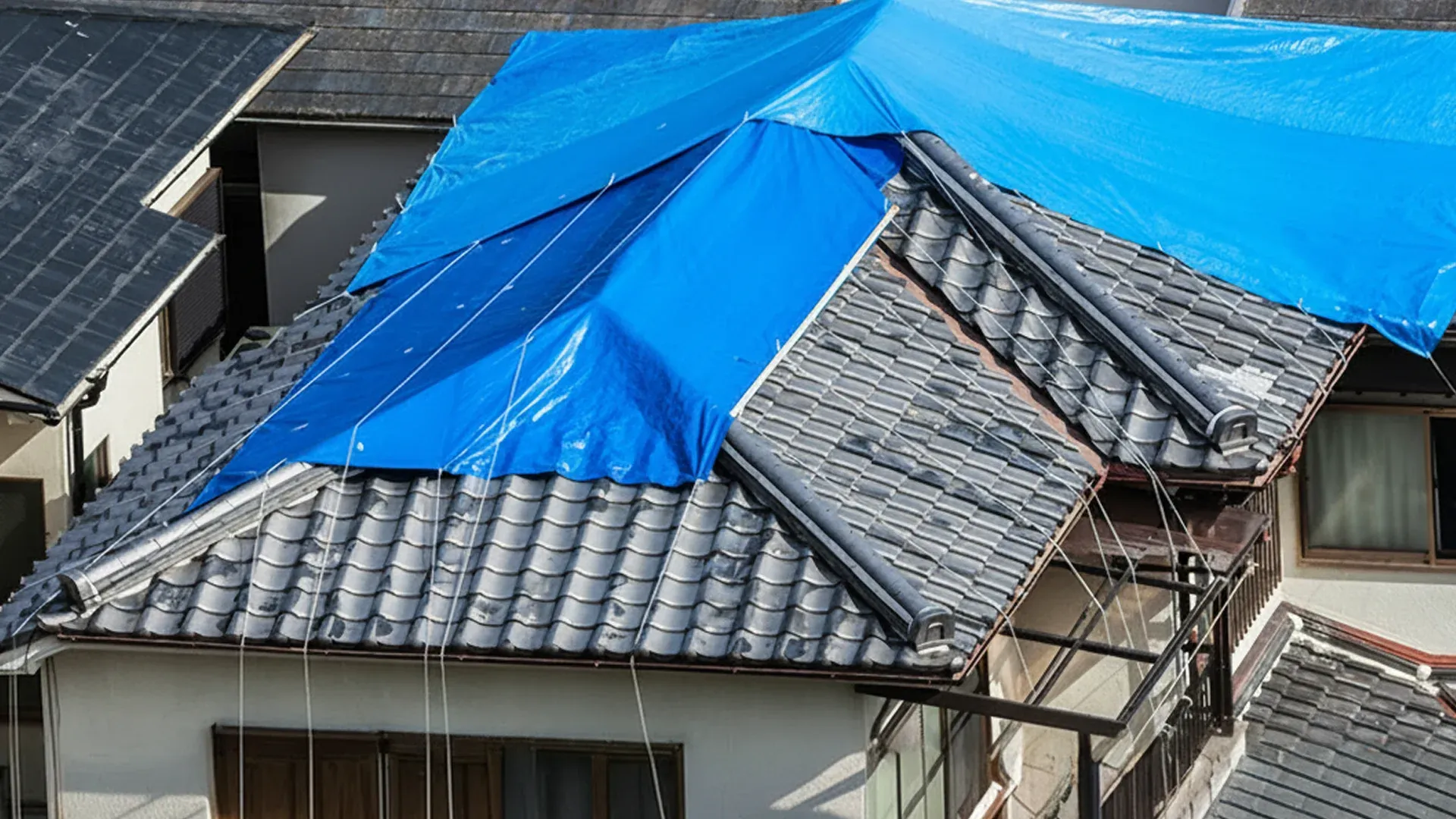
Step 4 — Cover the exterior with a tarp (only if it's safe to do so). Once the storm passes and the roof is safe to approach, a heavy-duty tarp secured over the damaged area is the most effective short-term emergency roof leak repair. Extend the tarp past the ridge so water doesn't pool underneath. Secure edges with 2x4 boards and sandbags, never staple or nail through shingles, as this worsens the damage.
Step 5 — Call for professional emergency roof repair services. Temporary measures buy you time, they don't replace a proper repair. Document the damage with photos immediately for your insurance claim.
Safety first: Never get on a wet roof during active rain, high winds, or when lightning is possible. Emergency roof repair from the interior or from the ground is always safer than a rooftop fix during a storm.
When to Call Emergency Roof Repair Services Immediately
Some situations cannot wait for a Monday-morning appointment. Knowing when to escalate to professional emergency roof repair services protects both your home and your safety.
Call emergency roof repair services immediately if:
- Structural sagging is visible. A bulging or bowing ceiling means water has accumulated and structural materials may be compromised. This is a collapse risk.
- Electrical systems are near the leak. Water and wiring are a fire and electrocution hazard. Turn off the power to the affected area at the breaker box and call professionals immediately.
- Multiple leak points are active. A single isolated drip may be manageable with a tarp. Multiple simultaneous leaks — especially after a major storm, indicate widespread damage that requires immediate professional emergency roof repair services.
- The leak is near your HVAC system. Water infiltrating ductwork or air handler units causes mold growth within 24 - 48 hours.
- Your home is more than 20 years old with original shingles. Aging roofing systems fail systemically under storm pressure, not just at one point. Emergency roof repair services can assess whether patching is viable or a full replacement is needed.
In Sarasota, Charlotte, and surrounding coastal counties, high-wind and hurricane-force events regularly expose underlayment failures that aren't visible until it rains. Coastal Roofing Group responds to storm-related damage calls year-round with licensed crews who understand what coastal weather does to roofing systems.
How 24 Hour Emergency Roof Repair Works — and Why Timing Matters
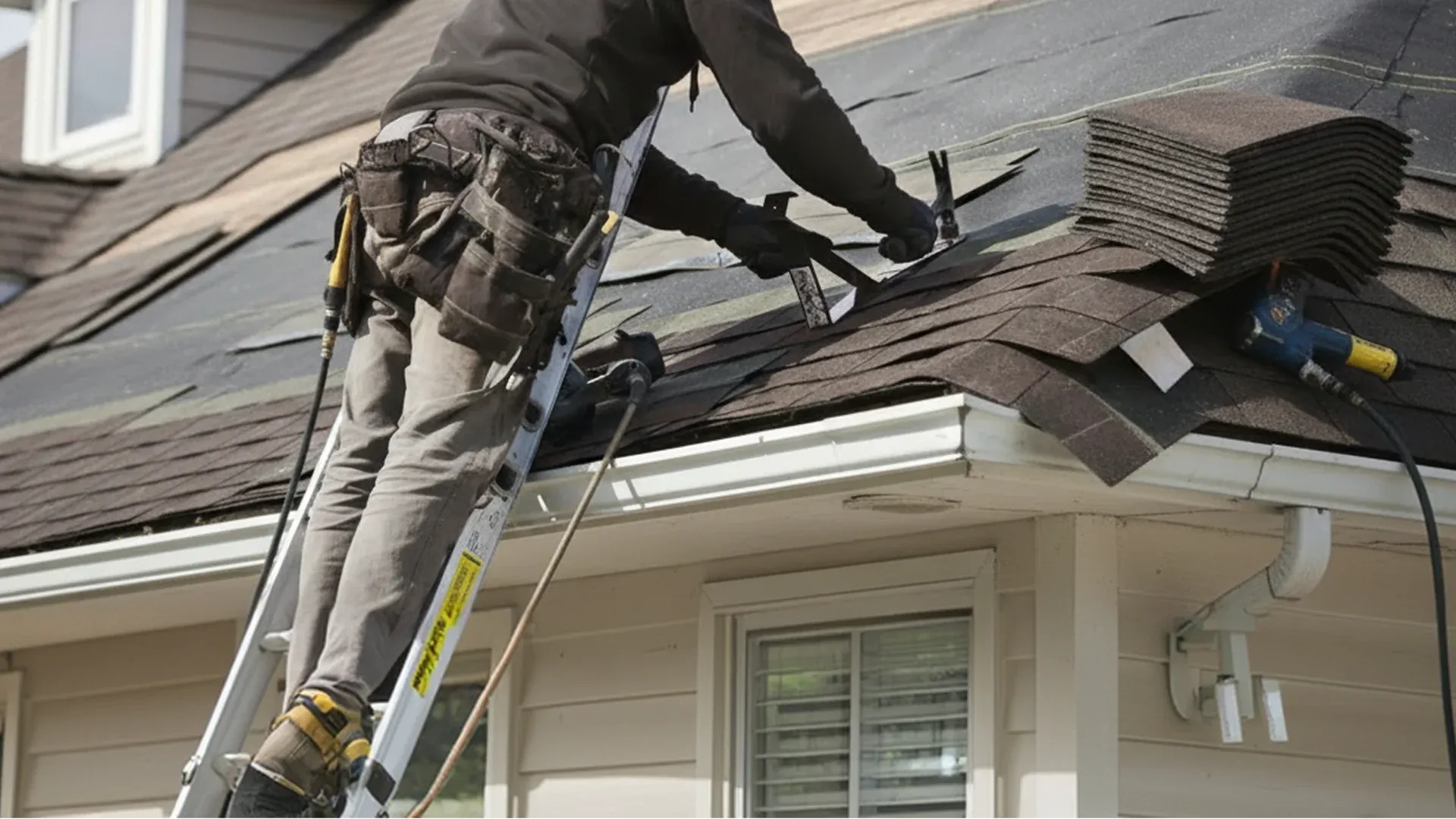
Most homeowners don't realize that water damage compounds by the hour. 24 hour emergency roof repair exists precisely because waiting until morning isn't always an option when storm season hits Florida's Gulf Coast.
Here's what the timeline looks like without intervention:
Time Without Repair Likely Damage
0–6 hours Ceiling drywall saturation begins
6–24 hours Insulation becomes waterlogged, mold spores activate
24–48 hours Mold colonies visible, wood framing begins to soften
48–72 hours Structural integrity of roof deck at risk
72+ hours Potential full ceiling collapse, major mold remediation required
An emergency repair call can prevent much more serious (and costly) damage, such as mold remediation or structural damage to the building.
What to expect from 24 hour emergency roof repair:
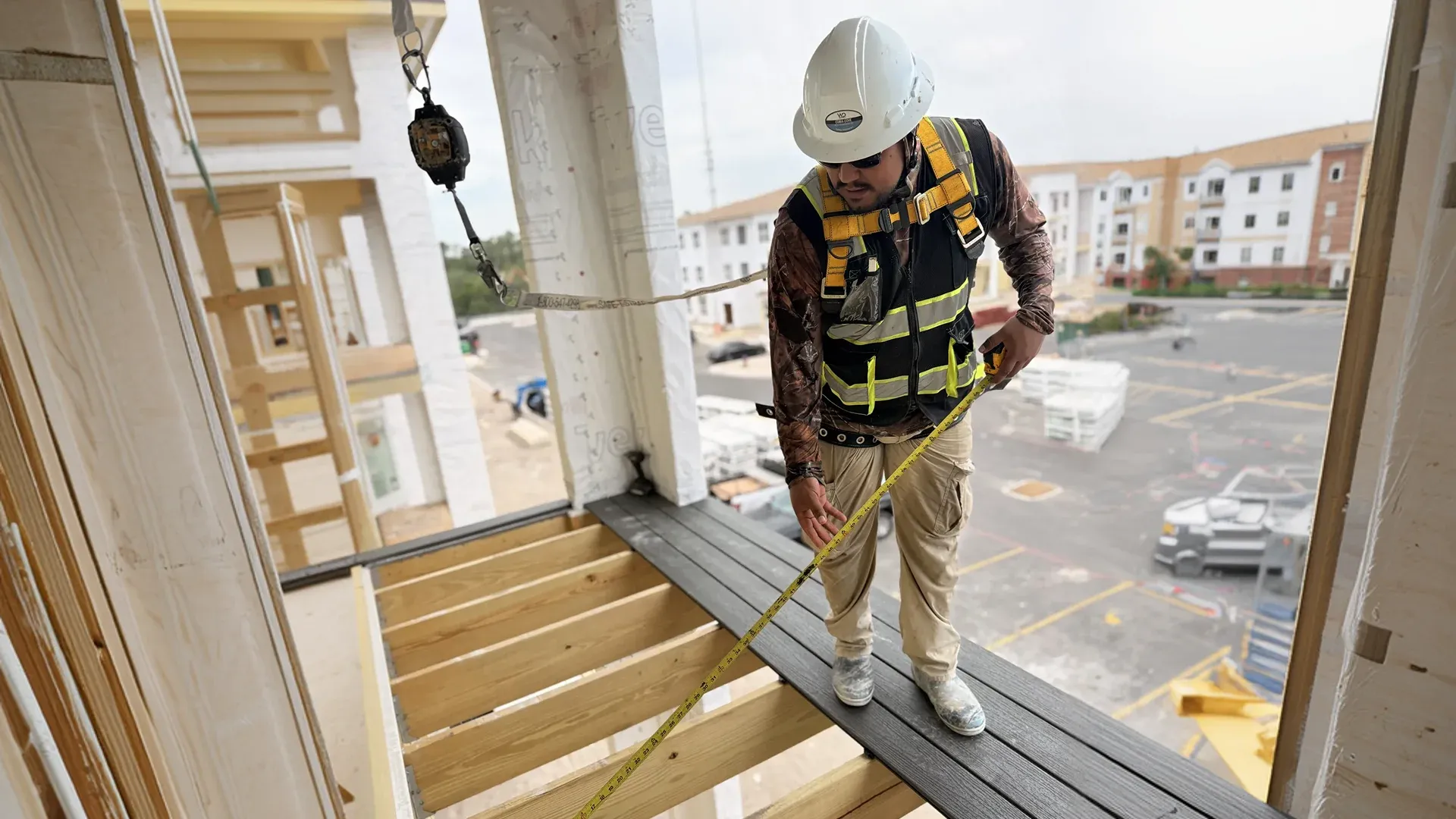
- Damage assessment — The crew identifies all entry points, not just the visible one. Storm damage is rarely isolated.
- Immediate weatherproofing — Professional-grade tarps, flashing tape, and temporary patches are installed to stop active water intrusion.
- Detailed documentation — Photos and written assessments are provided for your insurance claim. This step is often the difference between a full claim approval and a partial payout.
- Repair scope recommendation — You'll receive a clear outline of what's needed: a targeted repair, partial re-roof, or full replacement.
Coastal Roofing Group provides 24 hour emergency roof repair across Sarasota, Venice, Englewood, Port Charlotte, and surrounding areas. Our crews are licensed, insured, and familiar with the local permit requirements that apply even to emergency work.
Frequently Asked Questions About Emergency Roof Repair
What is the fastest temporary fix for a roof leak?
The fastest temporary fix for emergency roof leak repair is a heavy-duty polyethylene tarp secured over the damaged area from ridge to eave, weighted with 2x4 boards or sandbags. From inside, roofing cement or self-adhesive waterproof flashing tape applied to the underside of the damaged area can also slow water entry. Both are stopgap measures, not permanent solutions.
Is it safe to stay in my home during a roof leak?
It depends on the severity. A minor drip in one area while you contain it with buckets is generally safe short-term. However, if the ceiling is visibly sagging, if the leak is near electrical panels or wiring, or if multiple areas are leaking simultaneously, you should relocate within the home or leave until a professional can assess the damage. Emergency roof repair services can usually respond same-day or within hours.
Does homeowners insurance cover emergency roof repair?
Most homeowners insurance policies cover sudden and accidental damage, including storm damage that causes a roof leak. They typically do not cover leaks caused by deferred maintenance or normal wear. Document all damage with photos before any temporary repairs are made, and keep receipts for any materials used. Your emergency roof repair services provider should supply a written damage assessment for your insurer.
How long can a tarp protect a damaged roof?
A properly installed heavy-duty tarp can protect a damaged roof for two to six weeks under normal weather conditions. In coastal Florida, where UV exposure and wind are intense, degradation happens faster. Tarps are a bridge, not a substitute for emergency roof repair. Schedule professional repair as soon as possible after temporary weatherproofing is in place.
Can I repair the roof myself permanently?
Minor repairs, replacing a single cracked shingle or resealing a flashing joint, are within reach for experienced DIYers. However, anything involving structural decking, multiple shingles, flashing around chimneys or skylights, or underlayment replacement should be handled by a licensed roofer. Florida also requires permits for most roof repairs beyond simple maintenance, which means unlicensed work can create liability issues when you sell the property.
Conclusion: Don't Let a Leak Become a Disaster
A roof leak is urgent, but it's manageable when you act fast. The temporary emergency roof repair steps in this guide can limit interior damage, buy you critical hours, and give you documentation that supports your insurance claim.
The moment conditions are safe, contact a licensed roofing contractor for proper emergency roof repair. What seems like a small problem from the ground can involve multiple compromised areas, saturated decking, or failing underlayment that only a professional assessment will reveal.
Coastal Roofing Group serves homeowners across Sarasota, Charlotte, and the surrounding Gulf Coast communities with emergency roof repair services available 24 hours a day. Our licensed crews respond fast, document thoroughly, and repair right, the first time.
📞 Call Coastal Roofing Group now for 24 hour emergency roof repair. Don't wait until morning. Every hour matters.
About Adrian Coastal Roofing
Adrian is the CEO of Coastal Roofing, a company specializing in roof installation in Florida, recognized for its quality, reliability, and excellence in residential and commercial projects. With years of experience in the construction industry and Florida roofing, Adrian has built his reputation by delivering durable solutions that withstand the state’s extreme weather. Under his leadership, Coastal Roofing has become a leader in roof installation in Florida, offering modern systems such as TPO, PVC, metal roofing, and other efficient solutions to reduce costs and extend the lifespan of roofs.


