
Temporary Roof Repair: Stop a Leak Before Roofer Arrives
Learn how to do a temporary roof repair with tarps, sealants, and attic fixes before your roofer arrives. Tips for Florida's heat, wind and humidity.

Adrian Coastal Roofing

Water is coming through your ceiling. It's raining outside, it's 9 PM, and your roofer can't get there until tomorrow morning. What are you doing right now?
A temporary roof repair won't replace professional work, but it can be the difference between a contained problem and a flooded living room, ruined insulation, and a mold issue that takes weeks to remediate. The steps you take in the next one to two hours matter enormously.
In this guide, you'll learn exactly how to perform a safe and effective temporary roof repair, which materials actually work, how to protect your home from the inside when you can't access the roof, and when a temporary fix in the Tampa Bay and Gulf Coast area is simply not enough.
How to Use a Temporary Roof Cover to Stop Water Intrusion
The most reliable temporary roof repair for an active leak is a proper roof cover, specifically, a heavy-duty polyethylene tarp installed correctly over the damaged area. Done right, a temporary roof cover can hold through multiple rainstorms and buy you one to three weeks while you wait for a permanent repair.
Only attempt a roof cover when it is safe to do so. Never get on a wet roof during active rain, high winds, or when lightning is in the area. Wait until the storm passes and surfaces have dried enough to walk safely.
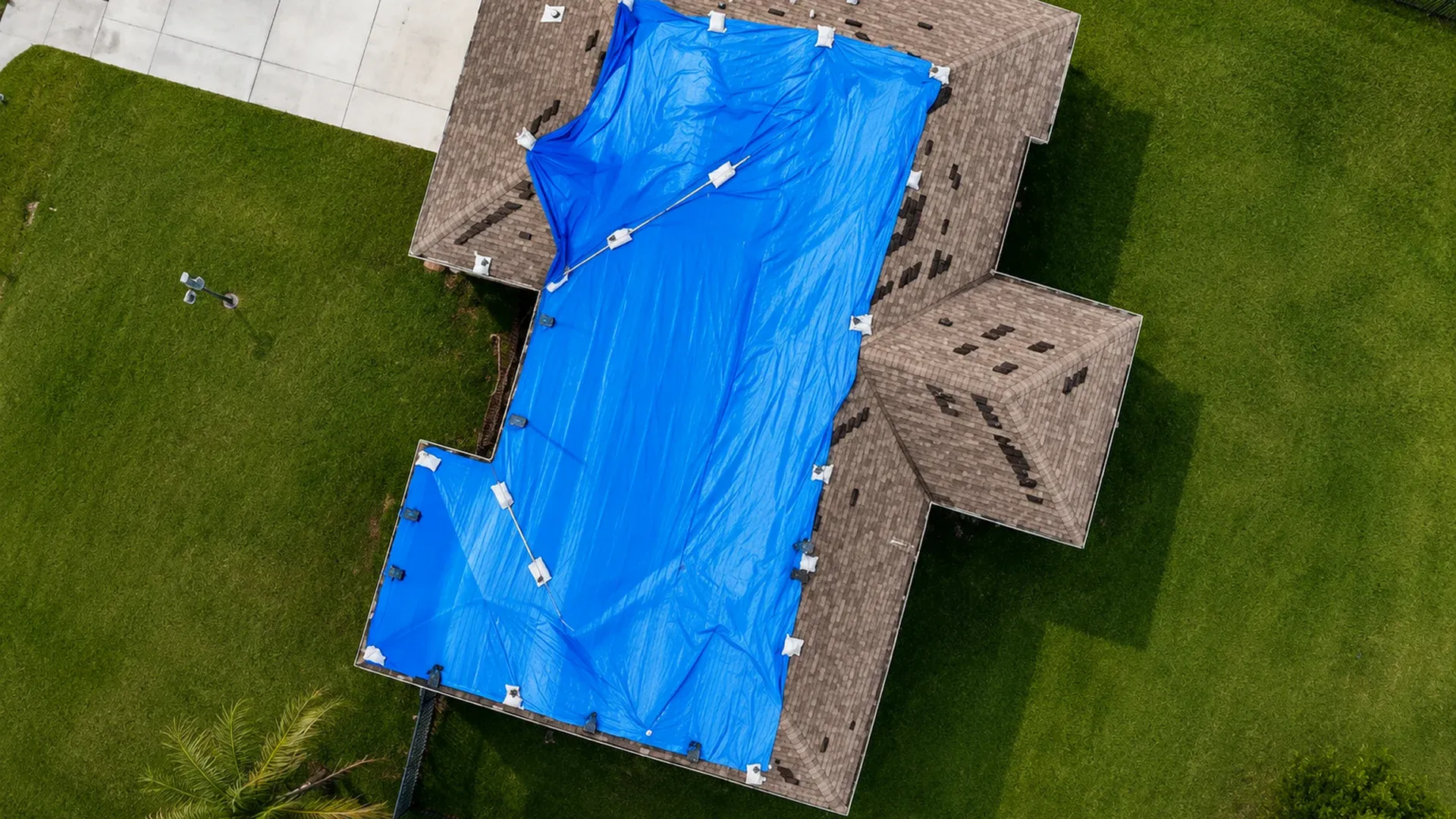
What you need for a temporary roof cover:
- 6-mil polyethylene tarp (minimum) — size should extend at least 4 feet beyond the damaged area on all sides
- 2x4 lumber boards to sandwich tarp edges
- Roofing nails or screws (into the boards, not directly through shingles)
- Sandbags or additional boards for weight at the eaves
- Utility knife and measuring tape
How to install it:
Step 1 — Measure and position the tarp. Lay the tarp so it covers the damaged section and extends over the roof ridge. This is critical, if the tarp stops at the ridge, water will collect at the peak and funnel underneath. The tarp needs to go over and down the other side of the ridge by at least 2 feet.
Step 2 — Secure the uphill edge over the ridge. Wrap the top edge of the tarp around a 2x4, then lay that board along the ridge line. Add a second 2x4 on top and screw through both boards to sandwich the tarp securely. Do not nail directly into your shingles, this creates additional puncture points that worsen the damage.
Step 3 — Secure the sides and downhill edge. Fold and wrap the side edges around additional 2x4 boards and screw them flat against the roof surface. At the eaves (the lower edge), weigh the tarp down with sandbags or a board to prevent wind from lifting it. In Florida, even post-storm breezes can catch a loose tarp and peel it back within hours.
Step 4 — Check for gaps and pooling. A temporary roof cover fails most often at the seams and corners. Walk the perimeter of the tarp visually to confirm no gaps exist and that water can run off the edges freely rather than pooling on top of the material.
A properly installed temporary roof cover will redirect rainfall away from the damaged area, protect exposed decking from additional moisture, and preserve the integrity of your interior until a licensed roofer can complete the permanent repair.
Temporary Roof Leak Repair From Inside — When You Can't Get on the Roof
Sometimes roof access isn't safe or possible. In those situations, temporary roof leak repair from inside the attic or ceiling space can significantly reduce water intrusion and interior damage — without the risk of working on a wet, unstable surface.
Temporary roof leak repair from the attic:
If you can safely access your attic during or after the storm, you have more options than most homeowners realize. Bring a flashlight and follow the water trail — leaks almost always travel along rafters or decking before dripping through the ceiling below, so the entry point is rarely directly above the visible wet spot.
Roofing cement (mastic) applied from the underside of the decking at the point of entry can seal small cracks, nail pops, and gaps around pipe boots or flashing. Apply generously and press firmly. It cures slowly in humid conditions but provides immediate water resistance on contact.
Self-adhesive waterproof flashing tape is faster and easier in confined attic spaces. Peel-and-stick butyl or rubberized asphalt tape applied directly to the underside of the decking over the entry point creates an immediate barrier. This is one of the most effective temporary roof leak repair tools a homeowner can keep on hand.
For ceiling leaks with visible bulging:
If your drywall ceiling is bulging downward, water has pooled between the ceiling surface and the floor above. Counterintuitively, the right move is to puncture the lowest point of the bulge with a screwdriver. This releases the water in a controlled stream into a bucket rather than allowing it to accumulate until the drywall collapses suddenly — which is far more damaging.
Materials to keep on hand for temporary roof leak repair:
- Roofing cement / mastic (tube or can)
- Self-adhesive waterproof flashing tape (4" width minimum)
- Heavy-duty caulk gun
- Buckets and waterproof drop cloths
- Headlamp or flashlight for attic access
The limits of interior temporary roof leak repair are real — you're stopping the symptom, not fixing the source. But done correctly, it protects your home until professional help arrives.
Temporary Fix for Leaking Roof: What Works, What Doesn't, and What Makes It Worse
Not every product or method marketed as a temporary fix for leaking roof actually performs under real conditions, especially in Florida's heat, humidity, and wind environment. Knowing the difference protects your home and your wallet.
What works:
- Heavy-duty polyethylene or woven poly tarps (6-mil+): The gold standard temporary fix for leaking roof situations. Properly anchored, these last two to six weeks even in coastal conditions.
- Rubberized asphalt flashing tape: Performs well in heat, adheres strongly to clean dry surfaces, and bridges gaps and cracks effectively as a short-term seal.
- Roofing cement / plastic roof cement: Good for filling gaps around flashing, pipe boots, and skylights from either above or below. Not a waterproofing membrane, don't apply it to large flat areas expecting it to hold.
- Spray polyurethane foam (temporary use): In a pinch, expanding foam applied to the interior side of a crack or gap blocks airflow and slows water entry. Not a long-term solution and can trap moisture, but effective as a same-night stopgap.
What doesn't work (or makes things worse):
- Standard duct tape or packing tape: Fails within hours when wet. Not a temporary fix for leaking roof situations under any circumstances.
- Single-layer plastic sheeting (under 3-mil): Tears in wind, degrades instantly under UV, and provides minimal protection. If it's all you have, use multiple layers, but heavy-duty tarps are worth the cost.
- Silicone caulk on wet surfaces: Silicone does not adhere to wet or damp materials. Applying it during or immediately after rain provides no seal and can slide off entirely. For wet surfaces, butyl-based products or roofing cement are your only effective options.
- Nailing or stapling directly through shingles: Adds more puncture points to an already compromised roof. Always anchor tarps and temporary materials through boards, not directly into roofing materials.
The temporary fix for leaking roof that homeowners regret most: skipping the repair entirely after a "temporary" solution holds through a few storms. Every week that passes without a permanent repair extends moisture exposure to your decking, insulation, and framing — and what started as a $600 repair becomes a $4,000 one.
Temporary Roof Repair in Tampa FL and the Gulf Coast: What Local Conditions Change
Florida's climate creates specific challenges for temporary roof repair that homeowners in other states don't face. If you're dealing with a leak in the Tampa, Sarasota, or Gulf Coast region, a few local factors directly affect which temporary repairs will hold and for how long.
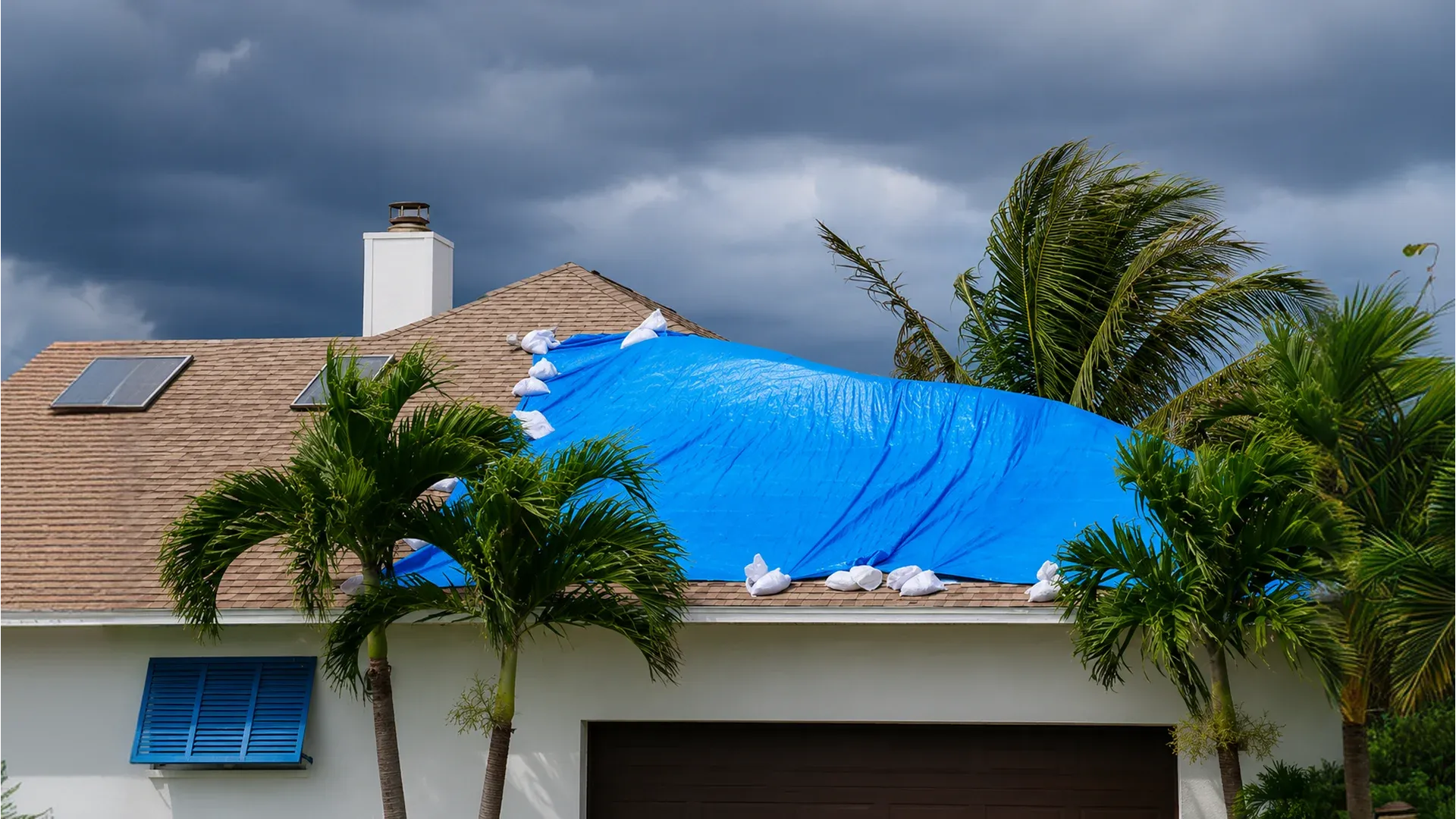
Heat and UV degradation are faster here. Standard blue poly tarps, the kind sold at most hardware stores, degrade visibly in two to three weeks under Florida's UV intensity. For temporary roof repair Tampa FL homeowners need UV-resistant silver or white woven poly tarps that last significantly longer. If your permanent repair is more than a week out, invest in the right material.
Wind events don't stop between storms. Florida's Gulf Coast sees persistent onshore winds even on clear days. A tarp that's lightly weighted with sandbags may hold through the night and lift by noon the next day. Proper board-anchoring (the 2x4 sandwich method described above) is not optional for temporary roof repair Tampa FL and surrounding coastal areas, it's essential.
Humidity slows curing times. Roofing cement, sealants, and adhesive tapes all cure more slowly in high-humidity environments. What cures overnight in a dry climate may take 24–48 hours to achieve full adhesion in Florida's summer humidity. Factor this into your expectations for any adhesive-based temporary roof repair.
Post-hurricane demand surges. After significant storm events in the Tampa Bay and Gulf Coast region, contractor availability tightens dramatically. A well-installed temporary roof repair buys you the time to get on a reputable contractor's schedule rather than accepting the first crew that knocks on your door post-storm. Storm chasers and unlicensed contractors are a significant problem in Florida following hurricane events, a strong temporary repair gives you the time to verify licenses and references.
Coastal Roofing Group serves homeowners across Sarasota, Venice, Englewood, Port Charlotte, North Port, and surrounding communities with licensed roof repair and replacement services. When your temporary repair is in place and you're ready for a permanent fix, our team provides written assessments, insurance documentation, and repair timelines you can count on.
Frequently Asked Questions About Temporary Roof Repair
How long does a temporary roof repair last?
A properly installed tarp-based temporary roof repair typically lasts two to six weeks under normal weather conditions. In Florida's UV and wind environment, the upper end of that range requires UV-resistant materials and secure board anchoring. Interior sealant and tape applications are shorter-lived, treat them as a same-day bridge until a tarp can be installed or a roofer can arrive.
Can I do a temporary roof repair myself safely?
Yes, with important limits. Interior temporary roof repair, roofing cement, flashing tape, and attic-access fixes, can be done safely by most homeowners. Exterior work on the roof surface should only be attempted after the storm has fully passed, on a dry and stable surface, and only on single-story or low-pitch roofing where fall risk is manageable. If you have any doubt, stay off the roof and focus on interior containment until your roofer arrives.
What is the best temporary fix for a leaking roof in a Florida storm?
The best temporary fix for leaking roof situations during or immediately after a Florida storm is interior containment first, buckets, drop cloths, attic-applied roofing cement, followed by an exterior tarp installation once the storm passes and the roof surface is safe. UV-resistant woven poly tarps anchored with the 2x4 board method provide the most durable short-term protection for Florida's specific climate conditions.
Will a temporary roof repair affect my insurance claim?
Documenting and performing reasonable temporary repairs is generally expected by insurers, it demonstrates that you took steps to mitigate further damage, which is a standard policy requirement. Photograph the damage before any repairs, keep all receipts for materials, and ensure your permanent repair is performed by a licensed contractor who provides a written scope of work. Unlicensed "repairs" performed post-storm can complicate or reduce your claim.
How do I find a reputable roofer after a storm in the Tampa Bay or Sarasota area?
Verify the contractor's Florida roofing license through the Florida Department of Business and Professional Regulation (DBPR) before signing anything. Reputable contractors will pull permits, provide written contracts, and not demand full payment upfront. Coastal Roofing Group is a licensed roofing contractor serving the Gulf Coast, we provide written assessments and never pressure homeowners into decisions made in the hours after a storm.
Conclusion: Buy Time the Right Way — Then Get a Permanent Fix
A temporary roof repair done correctly gives you control in a stressful situation. It stops active water intrusion, protects your interior, and buys you the time to make a smart decision about your permanent repair rather than a panicked one.
Use a proper temporary roof cover anchored with boards, not just weights. Apply roofing cement or flashing tape from the attic if you can't safely access the roof surface. Contain water indoors with buckets and drop cloths. Document everything before and after for your insurance claim.
And then call a licensed roofer. Temporary roof repair is exactly what it sounds like, temporary. Every week without a permanent fix is another week your decking, insulation, and framing absorb moisture.
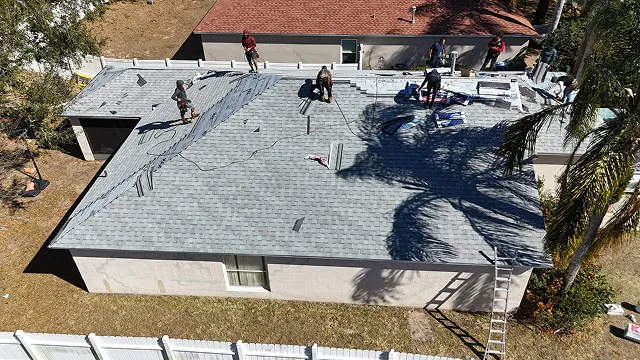
Coastal Roofing Group provides licensed roof repair and replacement services across Sarasota, Charlotte, and the Gulf Coast. We respond to storm damage calls quickly, provide written documentation for insurance, and repair roofs to Florida building code standards.
📞 Contact Coastal Roofing Group today and turn your temporary fix into a permanent solution.
About Adrian Coastal Roofing
Adrian is the CEO of Coastal Roofing, a company specializing in roof installation in Florida, recognized for its quality, reliability, and excellence in residential and commercial projects. With years of experience in the construction industry and Florida roofing, Adrian has built his reputation by delivering durable solutions that withstand the state’s extreme weather. Under his leadership, Coastal Roofing has become a leader in roof installation in Florida, offering modern systems such as TPO, PVC, metal roofing, and other efficient solutions to reduce costs and extend the lifespan of roofs.


