
Wind Mitigation Inspection Florida: Save on Home Insurance
Learn how a wind mitigation inspection in Florida can reduce your home insurance by up to 45%. See what inspectors check and which roof upgrades pay off most.

Adrian Coastal Roofing

Most Florida homeowners don't realize their roof is directly responsible for how much they pay in home insurance every month. A wind mitigation inspection in Florida can unlock insurance credits that may significantly reduce your premium, and it starts with a single visit from a licensed inspector.
If you live in the Tampa Bay area, Hillsborough County, or anywhere across Central Florida, understanding what a wind mitigation inspection covers and how your roof affects the results can be the difference between keeping your policy and facing challenges at renewal. In this article, you'll learn exactly what inspectors look for, how your roofing system affects your score, which upgrades deliver the strongest insurance benefits, and how to prepare before the inspector arrives.
What a Wind Mitigation Inspection in Florida Actually Checks
A wind mitigation inspection is a formal assessment of your home's ability to resist wind damage during a storm or hurricane. In Florida, it follows a standardized form, the OIR-B1-1802, required by the Florida Office of Insurance Regulation. The inspector evaluates seven specific features of your roof and structure, each of which directly affects your insurance premium.
The seven items evaluated during a wind mitigation inspection are:
Building code, when your home was built and which code it was built under Roof cover, the type of roofing material installed and whether it carries Florida Product Approval Roof deck attachment, how well the sheathing is nailed to the rafters Roof to wall connection, whether hurricane straps, clips, or toe nails connect the roof to the walls Roof shape, hip, gable, flat, or a combination, each carries a different risk rating Secondary water resistance (SWR), a self adhering underlayment layer that prevents water intrusion if the roof cover fails Opening protection, whether windows and doors have impact rated protection
Your roof plays a role in at least five of these seven categories. That's why the condition, age, and installation quality of your roof matter so much when it comes to insurance pricing in Florida.
How Your Roof Shape Affects Wind Mitigation Credits in Florida
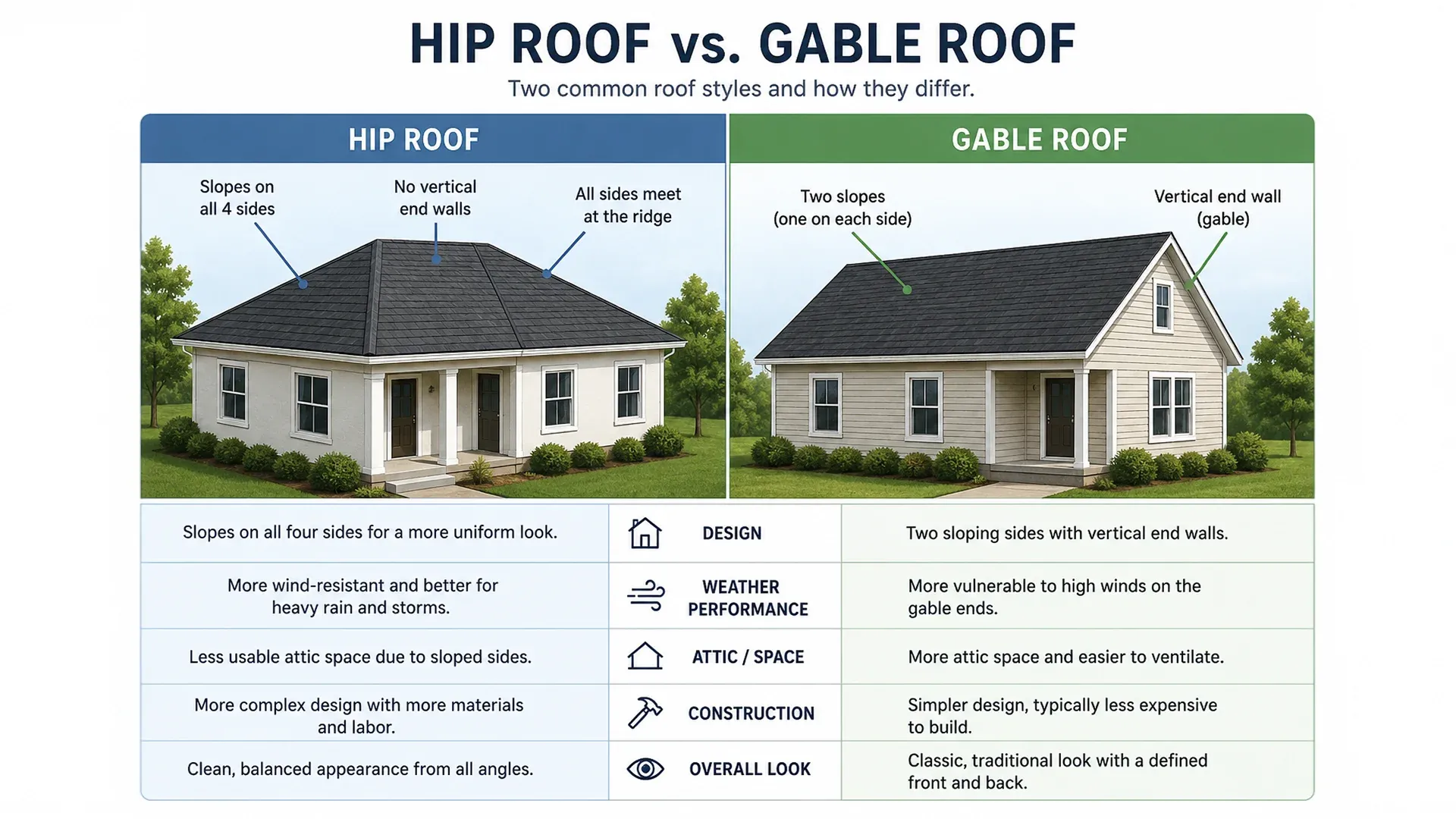
One of the biggest factors in a wind mitigation inspection is roof shape, and many homeowners are surprised to learn just how much it matters. Florida insurance carriers often provide stronger credits for hip roofs compared to gable roofs.
A hip roof slopes on all four sides and has no vertical end walls. In high wind events, this shape deflects wind around the structure more effectively. Insurance carriers recognize this and often reward it with substantial credits.
A gable roof, by contrast, has two triangular vertical walls at each end, the “gables”. These walls create significant wind pressure during a hurricane. Homes with more than 10% of their perimeter covered by a gable end typically receive lower wind mitigation credits.
If your home has a gable roof, there are licensed contractors in Central Florida who can install gable end bracing, a structural reinforcement that reduces the risk of gable collapse. This upgrade alone can improve your inspection results and may qualify for assistance through Florida's My Safe Florida Home program.
The practical takeaway, if you're planning a roof replacement, discussing roof geometry with your roofing contractor before the project begins could benefit your insurance eligibility for years to come.
How Roof to Wall Connections Determine Your Insurance Benefits in Florida
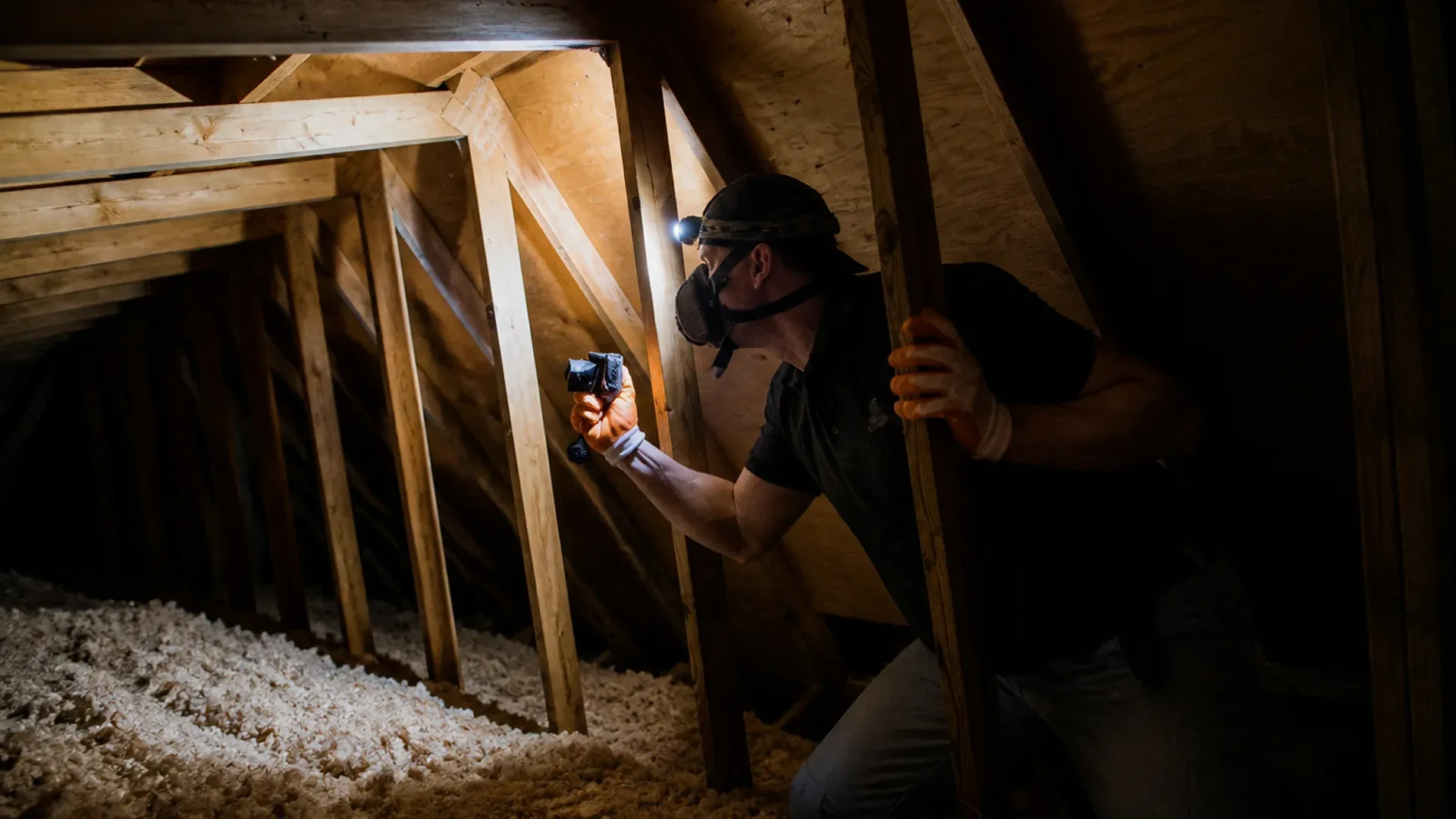
The connection between your roof framing and your exterior walls is one of the most heavily weighted categories in a Florida wind mitigation inspection. Inspectors look at how, and how well, your roof is anchored to the walls below it.
There are four main connection types, ranked from least to most wind resistant:
Toe nails, the weakest connection, simply nailed at an angle, common in homes built before 2002 Clips, a metal bracket on one side of the rafter Single wraps, a metal strap that wraps around the rafter on one side Double wraps, a metal strap on both sides, the strongest connection type Structural anchors, embedded anchors engineered to specific wind load ratings
Florida homes built before the 2002 code revisions often have toe nail connections only. This is one of the main reasons insurance carriers view older homes as higher risk, and one of the main reasons upgrading your roof to wall connections during a re roofing project can dramatically improve your inspection results.
At Coastal Roofing Group, we install proper hurricane straps and clips during every roof replacement in compliance with current Florida Building Code standards. If you're replacing your roof anyway, this upgrade can often be completed during the roofing project with minimal additional work, while helping strengthen your wind mitigation profile over time.
Secondary Water Resistance and Roof Deck Attachment, Two Upgrades That Add Long Term Value
Beyond shape and connections, two other inspection categories have a major impact on wind mitigation credits, secondary water resistance (SWR) and roof deck attachment.
Secondary water resistance is a self adhering underlayment, commonly called “peel and stick”, applied to the roof deck before the shingles or tiles go on. Its purpose is simple, if your roof cover is damaged or destroyed in a storm, the SWR layer helps prevent water from entering your home. Not every inspector can see it visually, but a qualified roofer can provide documentation confirming it was installed.
Florida carriers often provide meaningful premium credits for homes with confirmed SWR. If you're getting a full roof replacement, asking your contractor to use a self adhering underlayment instead of standard felt paper is one of the most valuable upgrades homeowners can make during a roof replacement.
Roof deck attachment refers to how the plywood sheathing is fastened to your rafters. Inspectors look at nail spacing and nail size. The pattern used in homes built before the mid 1990s was often 6 inch spacing with 8d nails, the minimum allowed at the time. Current Florida Building Code requires 6d or 8d nails at 6 inch spacing along the edges and 12 inch spacing in the field, or tighter in high wind zones. Homes with tighter nail spacing and larger nails generally qualify for stronger credits.
During a re roofing project, your contractor will expose the deck. That's the right time to renail the sheathing to current standards if it doesn't already meet them. This step can significantly improve your wind mitigation classification.
How Much Can a Wind Mitigation Inspection Help Florida Homeowners?
The benefits from a wind mitigation inspection vary based on your home's features and your insurer, but the impact in Florida can be substantial.
Homeowners with qualifying hip roofs, hurricane straps, and SWR often receive stronger insurance consideration A fresh wind mitigation report, especially after a re roofing project, can unlock credits that were previously unavailable The Florida My Safe Florida Home program may offer matching grant opportunities for qualifying wind resistant upgrades, including roof reinforcement The inspection remains valid for five years and can help homeowners qualify for important insurance credits
Many Florida homeowners experience meaningful insurance reductions after qualifying for wind mitigation credits. When a roof replacement makes those credits possible, the long term value becomes even more compelling.
It's also worth noting that Florida law, updated in 2022 and reinforced by legislation moving through 2026, prohibits insurers from refusing to renew a policy based solely on roof age if the roof is under 15 years old and passes inspection. A newer, code compliant roof combined with a current wind mitigation report is one of the strongest positions a homeowner can be in when shopping or renewing a policy.
Frequently Asked Questions About Wind Mitigation Inspections in Florida
What does a wind mitigation inspection cost in Florida?
A wind mitigation inspection in Florida is performed by a licensed inspector, and the report remains valid for five years. For many homeowners, the inspection can help unlock valuable insurance credits over time.
Who can perform a wind mitigation inspection in Florida?
Wind mitigation inspections in Florida must be performed by a licensed contractor, building inspector, engineer, or architect. The inspector must be licensed under the Florida Department of Business and Professional Regulation. It's recommended to work with an inspector who specializes in wind mitigation, not just a general home inspector, to ensure all seven categories on the OIR-B1-1802 form are evaluated correctly.
Does a new roof automatically qualify for wind mitigation credits in Florida?
Not automatically. The credits you receive depend on specific features of how your roof was built, the deck attachment pattern, the type of roof to wall connections used, the presence of secondary water resistance, and your roof's shape. A new roof installed to current Florida Building Code standards will typically qualify for strong credits, but only if those features are present and documented. Asking your roofing contractor about wind mitigation compliance before the project begins helps maximize your results.
How long does a wind mitigation inspection take?
Most wind mitigation inspections take between 45 minutes and 90 minutes. The inspector will examine the attic, the roof exterior, and the openings. The report is usually delivered within a few business days and can be submitted to your insurer immediately.
Can I schedule a wind mitigation inspection before replacing my roof?
Yes, and it's actually useful to do so. Inspecting your current roof tells you exactly which credits you're currently receiving and which upgrades during a replacement could improve your results. A roofing contractor familiar with wind mitigation requirements can then plan your replacement to maximize your benefits.
Conclusion, Your Roof Is One of the Biggest Insurance Factors in Florida
A wind mitigation inspection in Florida is one of the most practical steps a homeowner can take to potentially reduce insurance costs, and your roof determines most of the outcome. The shape, connections, deck attachment, and underlayment all feed directly into the credits your insurer applies to your premium.
If your roof is aging, if your premium has increased at renewal, or if you're planning a replacement, understanding proper roof care and maintenance in Florida's climate becomes even more important. In the Tampa Bay area and across Central Florida, homes that meet current standards are often viewed more favorably by insurance carriers.
The team at Coastal Roofing Group - (813) 497-4428), installs roofs to current Florida Building Code standards, uses hurricane straps and proper deck fastening on every project, and can provide documentation to support your wind mitigation report. If you want to know how your current or future roof may perform in an inspection, contact the team for an assessment.
About Adrian Coastal Roofing
Adrian is the CEO of Coastal Roofing, a company specializing in roof installation in Florida, recognized for its quality, reliability, and excellence in residential and commercial projects. With years of experience in the construction industry and Florida roofing, Adrian has built his reputation by delivering durable solutions that withstand the state’s extreme weather. Under his leadership, Coastal Roofing has become a leader in roof installation in Florida, offering modern systems such as TPO, PVC, metal roofing, and other efficient solutions to reduce costs and extend the lifespan of roofs.


